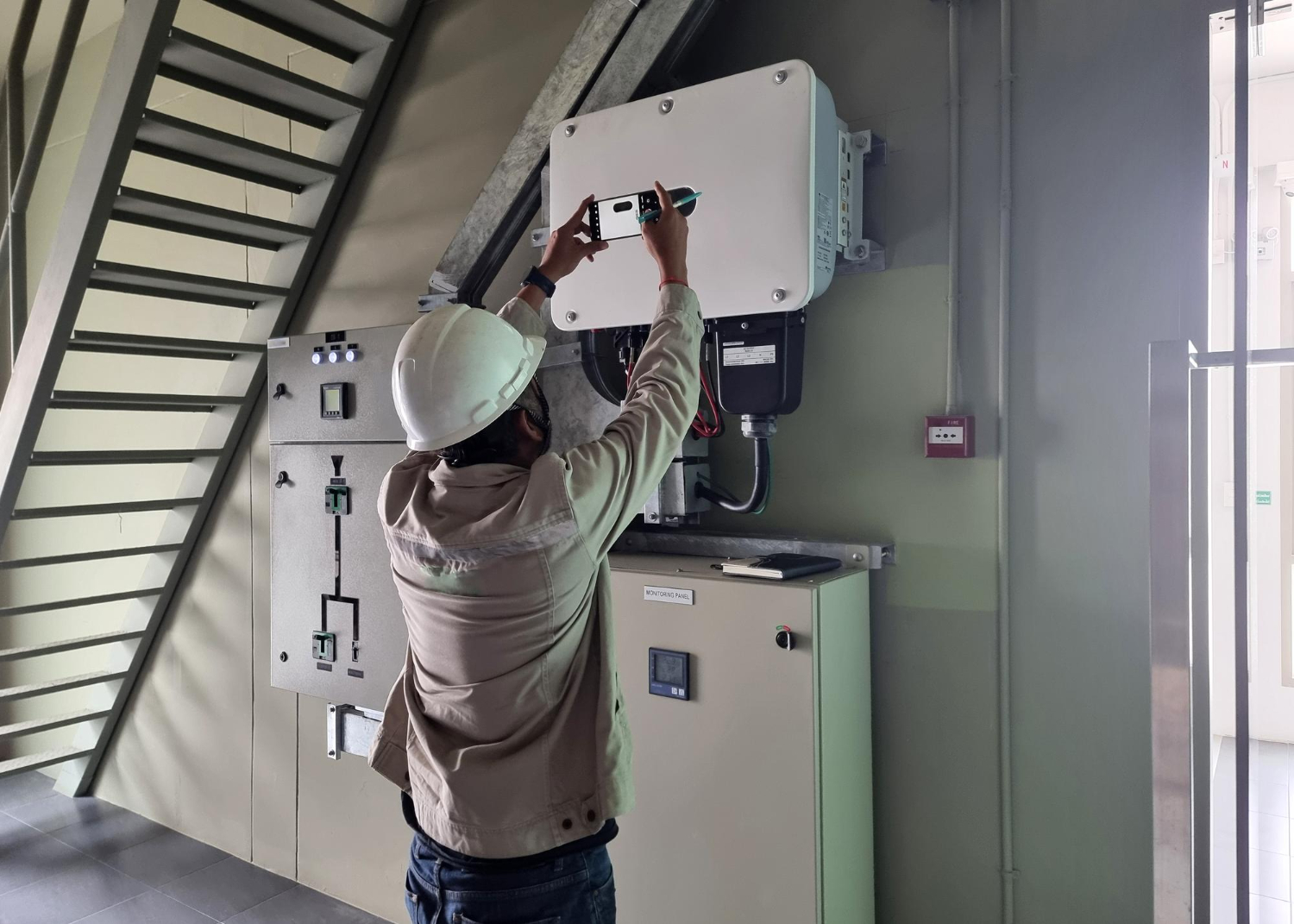
Solar inverters work quietly in the background, turning sunlight into usable power for your business. But like any piece of equipment, they wear down over time. And when they stop doing their job properly, your whole solar setup can suffer.
That’s why knowing when to start thinking about a solar inverter replacement is so important. Waiting too long can lead to power loss and unexpected downtime, especially when your energy output matters most. For businesses across Adelaide and South Australia, where conditions can be tough on rooftop systems, keeping an eye on your inverter’s performance is key to staying efficient and productive year-round.
This guide helps break down how long inverters typically last, what signs to watch for, and how upgrades can help your solar keep up with your business.
Why Solar Inverters Don’t Last as Long as Your Panels
Solar panels on commercial rooftops can last for decades, if installed well and built for the environment. But the inverter usually won’t make it that long. That’s not a fault in the system—it’s the result of how hard inverters work every day.
Each day, solar inverters convert high-voltage DC power from the panels into AC power that your business can use. That daily load builds up, and over time it wears on the internal parts. South Australia’s heat can push rooftop units into higher temperature ranges, putting more strain on those internal systems. For properties closer to the coast, salt in the air can speed up corrosion inside enclosures that aren’t properly sealed.
The type and quality of the inverter also plays a part. Inverters built for residential use often can’t handle the higher output needed in large buildings. Most commercial inverters are built tougher, but they’re still exposed to temperature swings, voltage surges, and years of heavy use.
That’s why inverter replacement usually comes up well before panels are due for an upgrade. If the power starts dropping or the system fails during peak usage, delays can mean real losses in both energy and productivity.
Signs Your Inverter Might Be Breaking Down
Sometimes inverters stop working all at once. Other times, they start to give smaller hints. Picking up on these early signs helps prevent bigger issues later.
Here are a few red flags to watch for:
– Lower or inconsistent energy output without any clear reason
– Frequent warning lights or error codes on the inverter screen
– Shutdowns that happen regularly, especially during the hottest parts of the day
– Inverters feeling too hot to touch or making buzzing or clicking sounds
Many of these symptoms point to deeper issues. Internal components may be worn out. Heat shielding could have broken down, or the software may be struggling to manage a larger-than-planned load. Either way, regular issues like these are calling for attention, and quite often they point to a need for a solar inverter replacement.
Running a monitoring check is often the simplest way to spot changes. A live dashboard can show dips in daily generation right alongside alerts or system faults. Keeping a record of these changes makes it easier to diagnose trends and plan around them.
What to Expect From a Commercial Inverter Over Time
Inverters aren’t built to last forever, but good commercial units usually give between 10 to 15 years of use under normal conditions. That timeline shortens if the system has been running hotter than expected, overloaded, or installed in a poorly ventilated area.
What makes it tricky is that most inverters don’t fail suddenly. They just start to lose efficiency. That drop happens slowly, so it can be hard to spot unless you’re actively checking performance. The inverter might still run, but it won’t convert power as well as it used to. That means your rooftop panels are working just as hard, but you’re getting less from the system overall.
By the time an inverter is a decade old, it makes sense to check how well it’s still doing its job. Smart testing and logging can highlight issues early on so your business can plan ahead. Rather than waiting for a failure, this gives you the option to schedule a replacement before summer when demand is at its highest.
Choosing the Right Inverter for Your Next Install
Inverter tech has come a long way. What might have been standard 10 years ago is now well behind what newer systems can do, especially for managing larger solar arrays in shifting weather.
When it’s time to replace your inverter, the first step is matching it to your current output needs. Make sure it’s set up to handle the scale of your system and account for expansion if your energy use might grow. Bigger commercial roofs need gear that stays stable through long running hours, high heat, and variable loads.
Look for upgrades that bring a few specific features:
– Smart monitoring systems that make faults and output tracking easy
– Heat-resistant builds and sealed, corrosion-proof enclosures
– Trusted brands like GoodWe and Fronius with proven performance in South Australian conditions
Choosing the wrong inverter can lead to more replacements later or wasted energy from mismatch and overload issues. A well-fitting replacement keeps the rest of your system working without interruption.
Planning Ahead for System Upgrades
Inverter upgrades don’t have to wait until something breaks. If your system is already a decade old, or if you’ve made other layout changes recently, planning an update before summer isn’t a bad move.
Late spring in South Australia brings long days and peak sunlight hours. That’s when your energy generation really kicks in, but it’s also when older inverters are most likely to fail under heat stress. Scheduling a look at your setup in late October can help you catch small faults early, before they affect output during your busiest season.
Some businesses pair inverter replacements with changes to the rest of the solar system. Maybe you’ve added more panels or changed roof structures. Swapping in a new inverter at the same time helps everything work together from day one. The key is matching size properly across the system and making space for any future energy needs you may have.
Keep Solar Power Working as Hard as You Do
Your inverter might not be the biggest part of your solar system, but everything depends on it. A weak inverter can quietly cut into your output day by day. Replacing it at the right time means more consistency across your system and far less frustration down the road.
When your business counts on energy every day, it pays to know what your gear can handle. Tracking how your inverter performs, noticing the warning signs, and choosing a smart, well-timed replacement will help you keep control over your system. The right upgrade keeps your panels working smarter and longer, even in South Australia’s toughest seasons.
If your system’s getting close to that 10-year mark or your inverter isn’t delivering like it used to, it’s probably time for a proper upgrade. We If your system’s getting close to that 10-year mark or your inverter isn’t delivering like it used to, it’s probably time for a proper upgrade. We help Adelaide businesses stay ahead of faults and maximise returns from their rooftop solar with expert advice and reliable installs. Our team supports you through every stage of a smooth solar inverter replacement—from recommending trusted brands to making sure your system stands up to the South Australian climate. At Sustainable Savings, we’re here to make sure your energy setup keeps working as hard as you do.