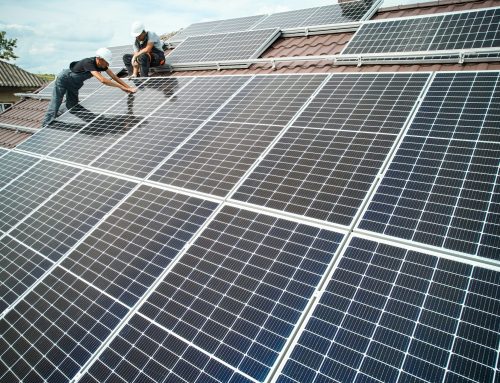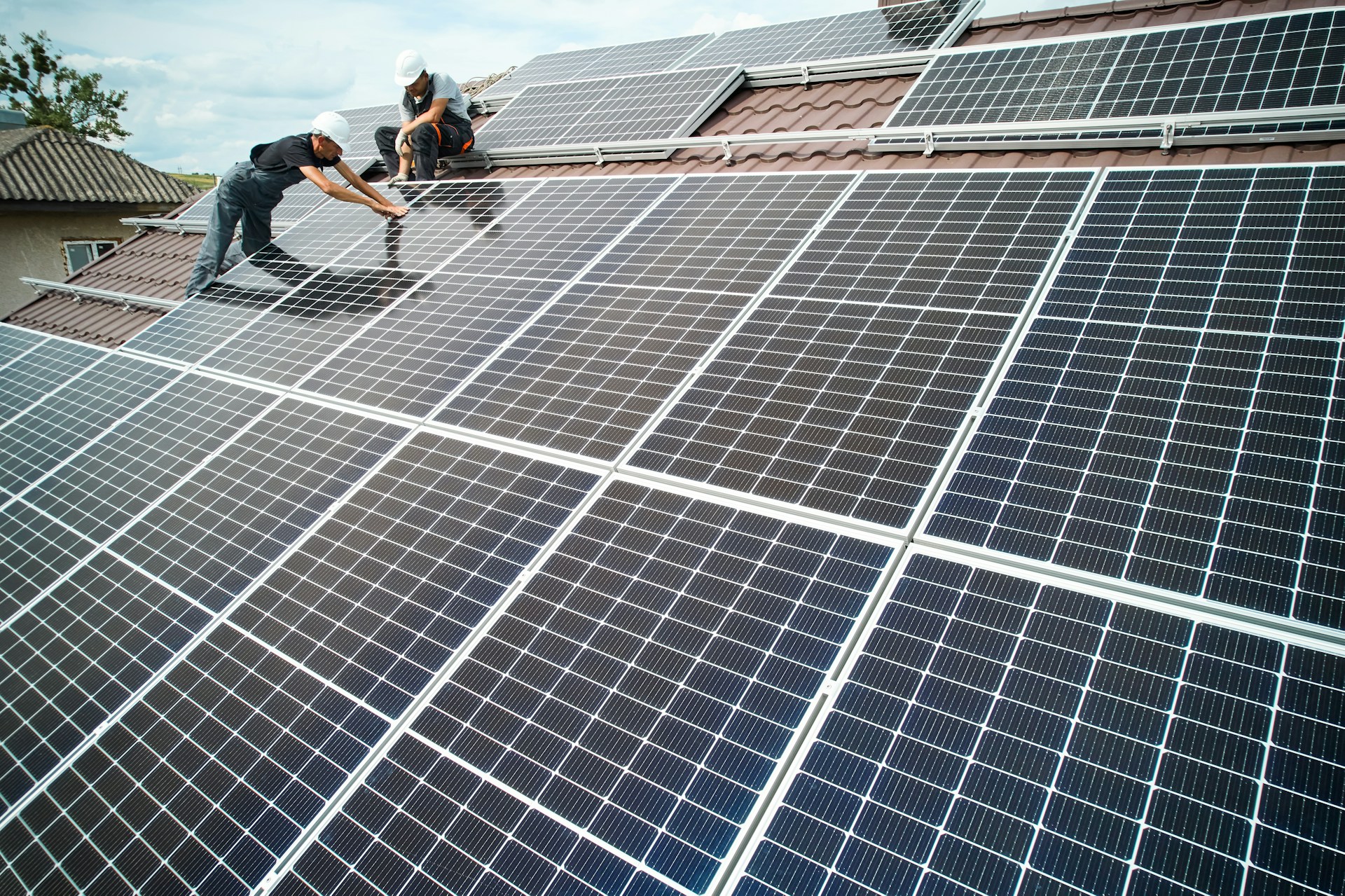
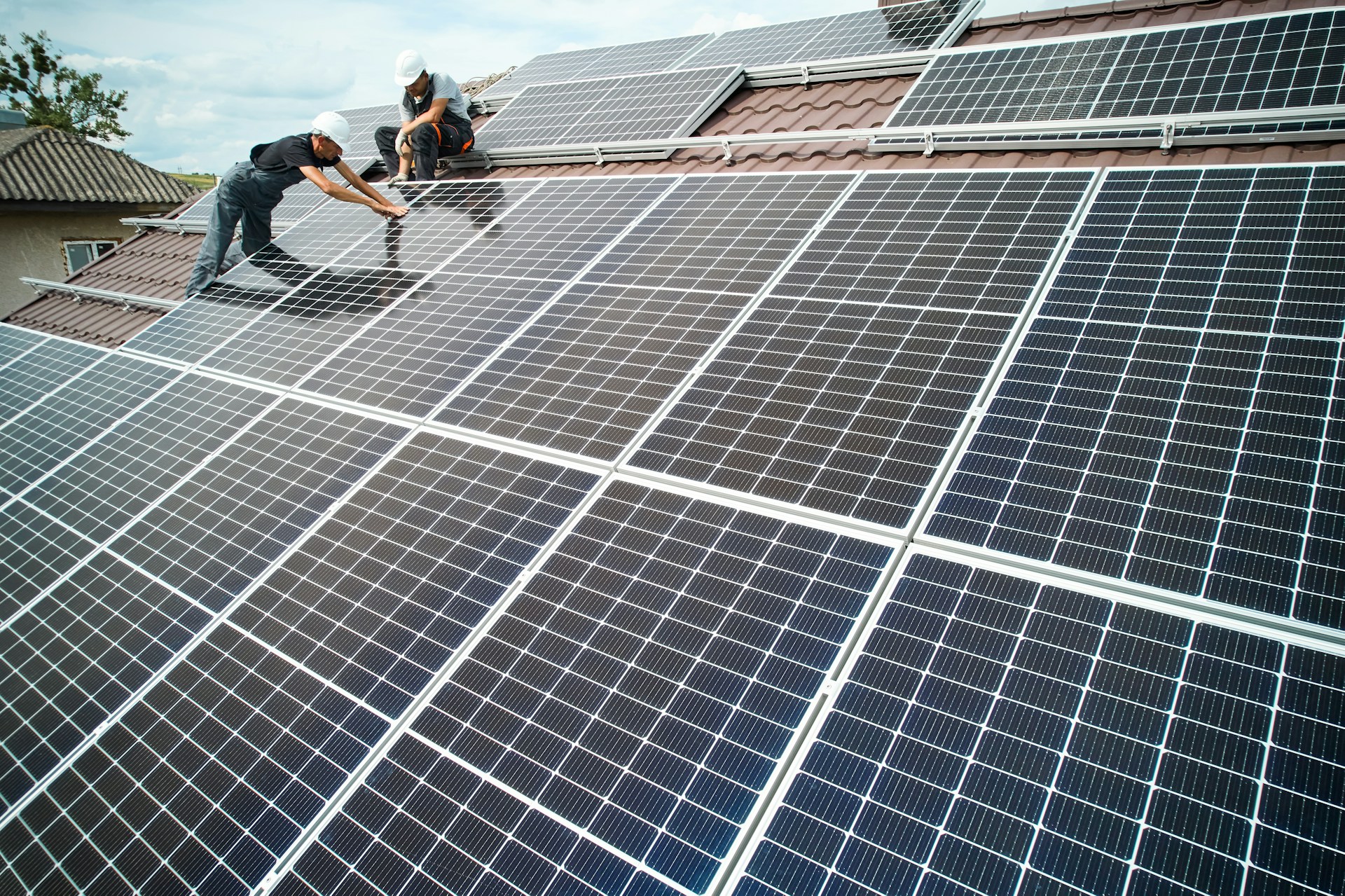
Adding solar panels to an existing system on a business roof may seem simple, but there’s more to it than finding free space. If your site already has rooftop solar, adding more panels means thinking carefully about how the current and new parts will work together. Will the inverter keep up? Are the panels compatible? Are there changes in roof shading or structure?
Now’s a good time for Adelaide businesses to look into it. Longer daylight in spring and higher energy use in summer makes this a smart season for upgrades. But before anyone starts securing extra panels, it’s worth understanding what really needs to be checked, planned, and adjusted before the first bolt goes in.
Review What Your Existing System Can Handle
The first step is figuring out whether your current solar setup can handle more gear. That starts with looking closely at the design drawings, which will show how the system was laid out, how the wiring flows, and what each inverter supports.
If your system is older or uses components no longer on the market, there could be limits. Some inverters, for example, don’t have room to support any more kilowatts. Other parts such as string combiners or breakers might be close to their thresholds.
And if your original panels were from a brand not currently supplied or backed, matching new ones could be difficult. Blending different types can lower output and reduce overall performance. This is why a full review—checking wiring, frames, and current panels—is a solid place to start before new panels are ordered.
Rework the Design for the New Load
Once you understand the limits of your current setup, the next step is adjusting the new layout to suit what your building can support. That might include shifting panels into better-spaced strings, re-mapping how the roof is used, or updating how power ties into the grid.
Every commercial solar setup works with wider energy flow rules. If expansion lifts export above grid allowances, that can cause grid disruptions unless signed off by the provider. So open roof space is only part of the story. Think about when the business uses power—putting out a lot of solar at the wrong time could mean missed value and poorer returns if the system isn’t balanced to how your site works.
Engineers may need to shift voltage between panel groups or change string wiring to address drops. If new shade patches have popped up on the roof since the old system went in, layout will need to shift. It isn’t about covering every metre with new panels. The updated design should match the site’s energy profile, grid rules, and any new shading or physical changes.
Choose Compatible, High-Quality Components
Older solar infrastructure can still work well, but newer commercial panels often bring improved energy output and designed-in durability. That doesn’t mean any new panel is the right pick when adding solar panels to an existing system.
Compatibility checks matter. New solar modules should match well with existing panels for best results. That usually means keeping efficiency and voltage in line. If one string is built from less efficient panels, it can lower what the others can deliver. This is why sticking to proven commercial brands like SunPower, Maxeon, or the SunPower Performance Series makes sense for Adelaide’s climate and building standards.
It pays to check compatibility of mounting kits too, especially if the rooftop is older or carries lots of HVAC gear. Structural brackets and fittings need to handle both new and older equipment without risk to integrity or performance. On flat or low-pitch commercial roofs, reliable clamping and weather resistance make a difference over years of use.
Consider Inverter and Compliance Upgrades
With every new panel added, the inverter shoulders more work. Depending on the upgrade size, you might find the current inverter is maxed or almost there.
Certain inverters, such as models from GoodWe or Fronius, are made to scale up with commercial needs, protecting output and letting operators track system changes with on-site or remote monitors. But even these models have real capacity limits. When adding new panels, you can either swap for a more powerful inverter or add a second unit that works in parallel if the original model supports this.
Compliance steps in when commercial solar expansions lift outputs above certain thresholds. New output means grid renewal, new safety certificates, and—if panels are close to the grid connection point—clear site planning for shutdown switches and label updates. If using different inverter models, make sure they are certified for use in South Australia and carry the latest grid compliance marks.
Consistent system reviews and using reliable commercial gear lowers risk of faults like overheating, which is key for both safety and building insurance compliance. Approved panels and inverters with a strong record, like those mentioned above, support long-term reliability and regulatory requirements.
How Ethical Sourcing and Build Quality Make a Difference
Expanding commercial solar is also about company values and sustainability reporting, not just boosting output. New solar panels give an opportunity to upgrade to components from clean supply chains, free from toxic compounds or forced labour.
SunPower and Maxeon are two examples of brands taking steps to make sure their panels have less impact on the environment, both in materials and energy used to build them. Products that carry certifications on ethical sourcing or offer strong manufacturer warranties are better picks for businesses with ESG or procurement standards to meet.
Quality and ethical focus also affects long-term output. Fewer product faults, more reliable connections, and less need for warranty claims all make it easier to stay focused on running the business, not fixing recurring solar issues. Choosing gear that’s produced and certified to Australian and global safety standards means fewer surprises in coming years.
Practical Steps for Confident Expansion
Adding solar panels to an existing system is more than picking open space on the roof or grabbing the cheapest modules. Each part—from the way older and newer panels merge to how the inverter is set up—plays a role in your system’s future reliability.
Keeping your Adelaide business running smooth this summer means:
– Reviewing your wiring and inverter specs before expanding
– Matching new panels to your existing system (same voltage, similar output)
– Using brands that stand up to local heat and hail, like SunPower, Maxeon, and Performance Series panels
– Weighing if your inverter or breakers can handle the increase, or if an upgrade is needed
– Following South Australia’s latest compliance and grid export standards through every step
– Using ethically sourced hardware with solid warranties for long-term peace of mind
By pacing your expansion, checking every layer from roof structure to supply chain, and making sure your new gear integrates well with old, your business can enjoy smooth-running, high output solar for years. A well thought out plan means Adelaide’s summer sun gets put to work efficiently and safely, adding value to your business setup well beyond next season.
Thinking about expanding your rooftop system? We can help you figure out the best way to move forward. We assess what’s already in place, what your setup can handle and how everything works together without overloading your system. Whether it’s higher-performing panels or making sure your inverter is ready for more input, we approach upgrades with balance and long-term output in mind. If you’re considering adding solar panels to an existing system at your Adelaide business, get in touch with Sustainable Savings to start planning.