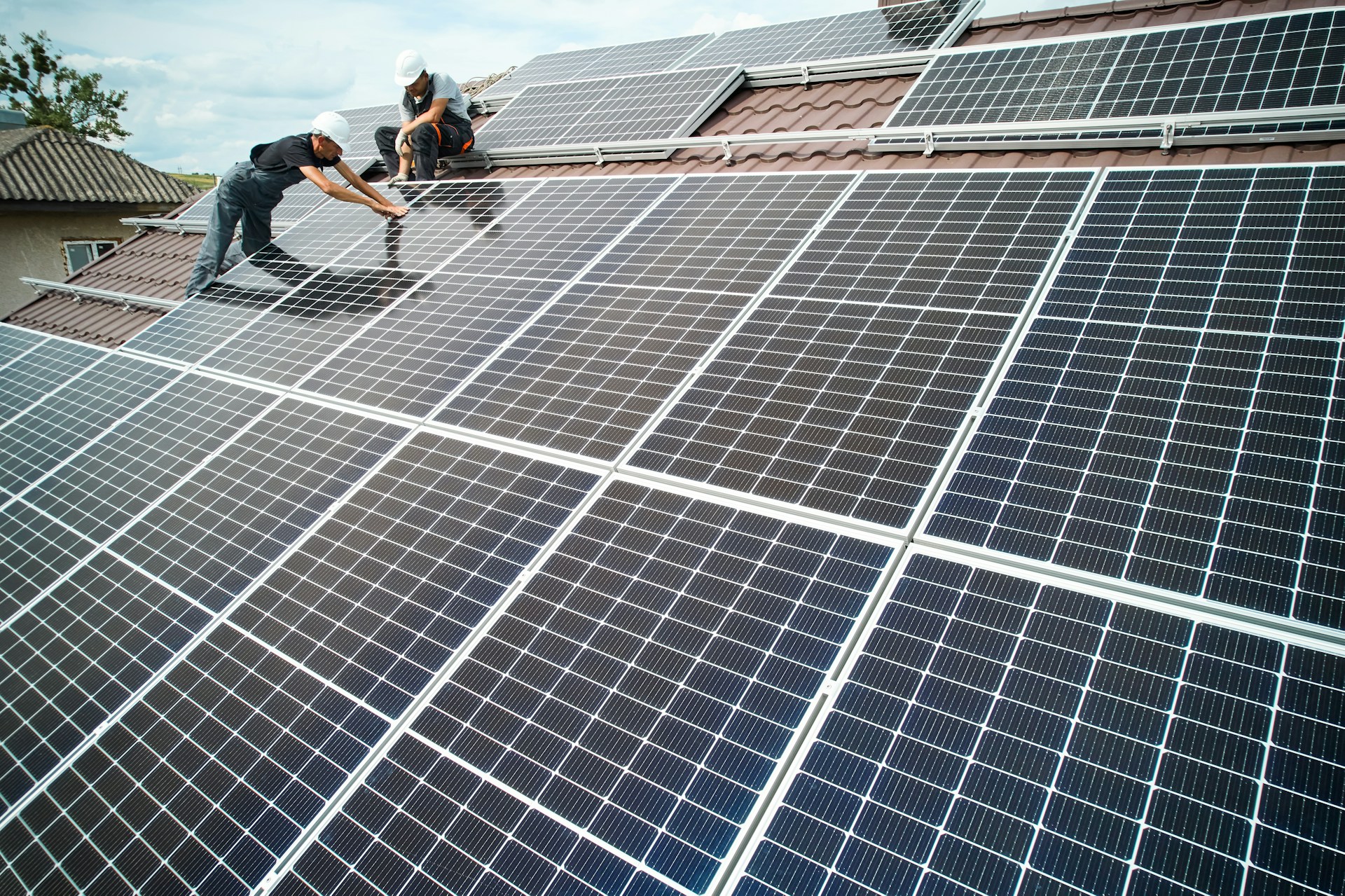
When summer hits in Adelaide, business rooftops become heat sinks and large commercial solar systems feel the pressure. Air conditioners run longer hours, peak demand stretches later into the day, and energy systems are pushed to deliver more than usual. When the weather gets that extreme, a good solar battery in Adelaide needs to do more than just store power. It has to keep pace with real-time demands, hold efficiency under high temperatures, and stay reliable from sunrise to sunset.
Choosing the right kind of battery setup can help your operation keep things steady during those long summer days. Not all batteries respond the same way to heat or heavy use, and some do much better than others over multiple summer cycles. The quality of each part—right down to how the battery is built and how it fits into the bigger system—can make or break the performance over time.
Why Adelaide’s Climate Demands Smarter Battery Choices
South Australian summers don’t come quietly. Days can push well over 40 degrees, and warm nights often mean that many systems barely have a chance to cool down. These conditions are tough on batteries, especially when they’re installed in tight rooftop spaces with little airflow.
As temperatures climb, battery efficiency can drop if the setup wasn’t made with thermal performance in mind. Long cycles of charging and discharging during heatwaves generate internal heat, and if there’s not thermal protection built in, that takes a toll on internal components. Batteries exposed to constant heat wear out faster and underperform when the building needs them most.
Good ventilation and thermal-resistant housing can make a huge difference. Many installations use passive airflow or shielding to block out direct heat. Without these, batteries underperform or even shut down to protect themselves right at the busiest time of day.
Battery Design Features That Support Summer Durability
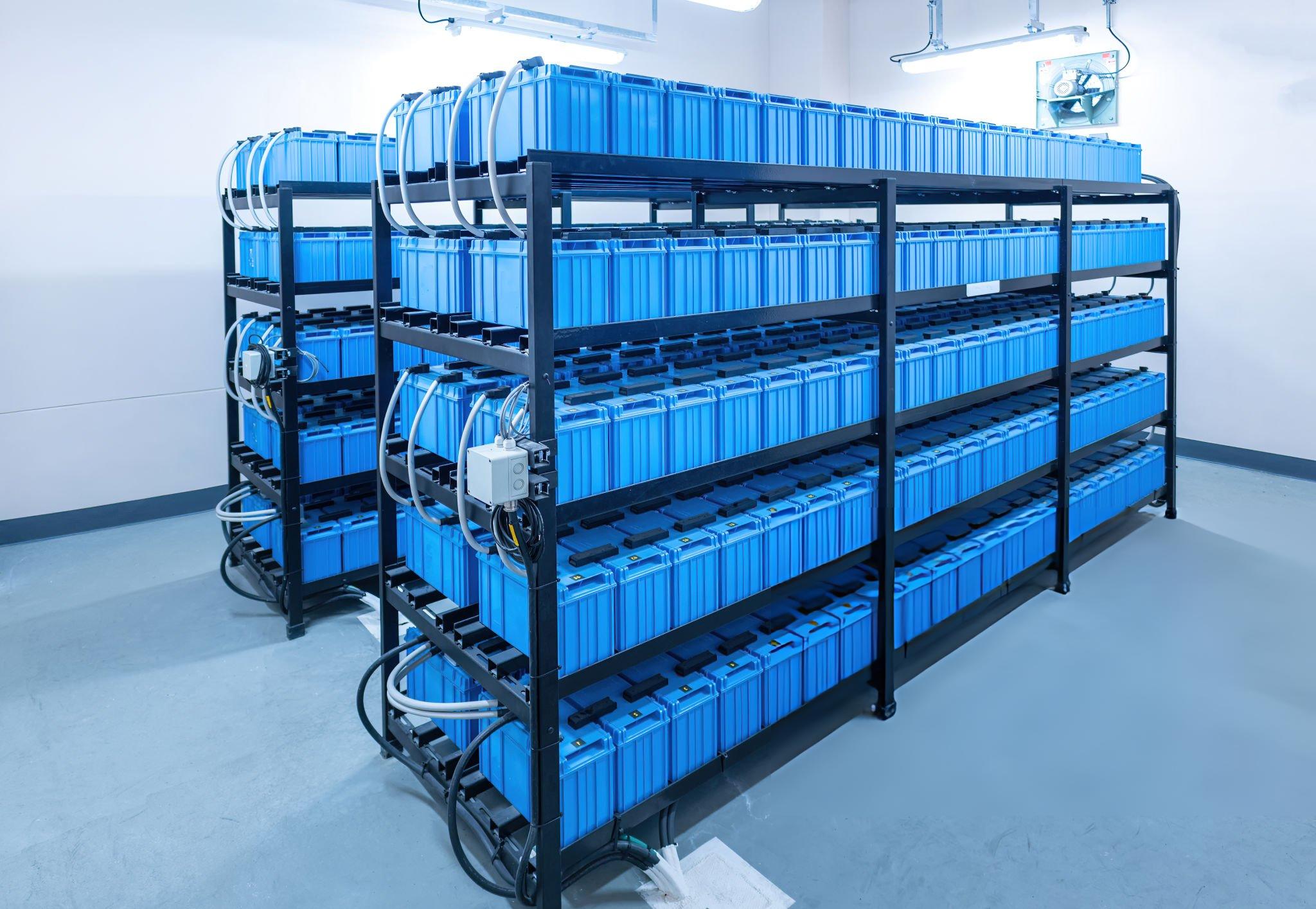
Not all batteries are built the same, and you see that clearly through a long Adelaide summer. The inside matters first—cell chemistry changes how a battery handles pressure and heat. Lithium iron phosphate (LiFePO4) batteries, for example, hold up better in the heat, offering longevity and stable output even when demand is high.
Housing and external design play a role too. Insulated or heat-resistant cases stop temperatures from getting too high. Some commercial batteries come with cooling gels, passive heat sinks, or active management systems that kick in only when needed. Smart sensors inside the battery can flag heat spikes or usage patterns, backing off charging if there’s a risk of damage.
Monitoring makes a big difference. If battery temperatures start to push limits, internal controls can reduce charge rates or alert building managers before failure or safety cutoffs happen. That early warning gives site operators more time to plan and protects your energy storage investment.
Integration with High-Performance Panels and Inverters
Batteries don’t work in a vacuum. The best setups line up battery tech with panel quality and inverter performance, giving builders a full package that can handle bigger loads and tougher days. A solar battery in Adelaide will perform best when paired with high-output panels and commercial-grade inverters suited for the SA climate.
Panels like SunPower’s Maxeon range are known for putting out steady, reliable energy even during mid-summer peaks. Their durability under intense sun keeps battery charging smooth. Inverters from brands like Fronius and Goodwe help balance input and output precisely, distributing stored power when and where it’s needed without dangerous surges or waste.
Systems that bring together proven panels, batteries, and smart inverters don’t just survive the heat, they operate with peak efficiency under changing summer loads. The more seamless the integration, the greater the benefit through the long haul.
Planning for Load Shifts and Storage During Peak Hours
Running a business during an Adelaide summer means handling abrupt changes in energy demand. Some sites see the highest loads after lunch, when the sun is still strong but work shifts stretch into the evening.
Smart batteries let you control when energy is stored, released into the building, or sent back to the grid. That flexibility helps avoid grid peak charges and can keep key systems running through unexpected cuts or brownouts. You can pre-set times when battery power is prioritised—such as for cold storage or data centres—or rely on batteries that learn patterns and match output to need.
Business sites with flexible storage settings and clear discharge planning can smooth out the peaks and avoid overloads or system shutoffs, riding out hot days with steadier performance.
What to Ask Before Installing a Solar Battery in Adelaide
If you’re planning a new solar battery in Adelaide, make these questions part of your prep:
1. Which battery chemistries prove most stable during long, high-temperature periods?
2. Are there features in the installation—like airflow spacing, shaded placement, or thermal sensors—that support batteries and inverters during heatwaves?
3. Can the battery system scale, allowing for new panels or rising loads as your business needs change?
4. How well does the battery handle sudden summer disruptions, such as local outages or increased grid pressure?
Asking these questions up front sets up your system to last through even the toughest heat events, protecting both your investment and your operations.
Ready for Summer, Ready for Business
Commercial sites across Adelaide know how harsh summer can be. With the right solar battery, matched for heat and teamed up with efficient panels and inverters, your system can handle whatever the season brings.
Smart planning and the right gear mean less risk of shutdowns, fewer energy surprises, and smoother performance for busy teams. Invest in batteries proven for this climate and pair them with SA-tested panels and inverters, such as SunPower and Maxeon for panels, and Fronius or Goodwe for inverters. When your solar system is ready for the heat, your business can stay focused year-round, even under the harshest conditions.
Planning a battery upgrade for the warmer months? Make sure your setup holds steady when things heat up. From thermal safety to inverter compatibility, every part of your system plays a role in long-term performance. We help Adelaide businesses get more from their energy storage by matching tested components with real-site conditions. Explore the benefits of the right solar battery in Adelaide, backed by smart design and local experience. Contact Sustainable Savings to build a system that works hard, year after year.