Renting solar panels can sound like a quick fix for high energy bills, especially if your business runs all day and your roof gets plenty of sun. With more organisations looking at ways to lower their electricity use, the idea might seem like an easy step forward. But in places like Adelaide, where conditions can shift with the seasons and building styles vary widely, it’s worth asking some bigger questions first.
When you rent solar panels, you’re still using someone else’s system. That might be alright for a temporary setup, but for longer-term needs, this path could come with limits. Before signing anything, it’s worth checking how well the gear will work for your operations, not just for the next few months, but for years to come. Here are a few things we believe are worth looking at if you’re thinking of making the switch through a rental agreement.
Think Past the Short-Term: What Solar Rentals Really Involve
Some solar rental plans look appealing at first because they let you get started without a full system purchase. But a rental often gives you less control over how much energy you actually get to use or how you manage it once it’s been generated.
You’ll want to find out what gear the provider uses. Are you getting quality solar panels, or just whatever they had on hand? Some plans might not include high-efficiency components or reliable inverters that hold up over time. Without the right parts in place, your system could end up putting out much less power than you expected.
It’s worth asking whether you’re locked into a fixed design or if there’s room to scale or move the system later. For example, if your business changes buildings or adds more space, can you update the solar setup or are you starting from scratch again? Rentals can work, but they need to match how your operations grow or shift.
Does the System Match Your Building?
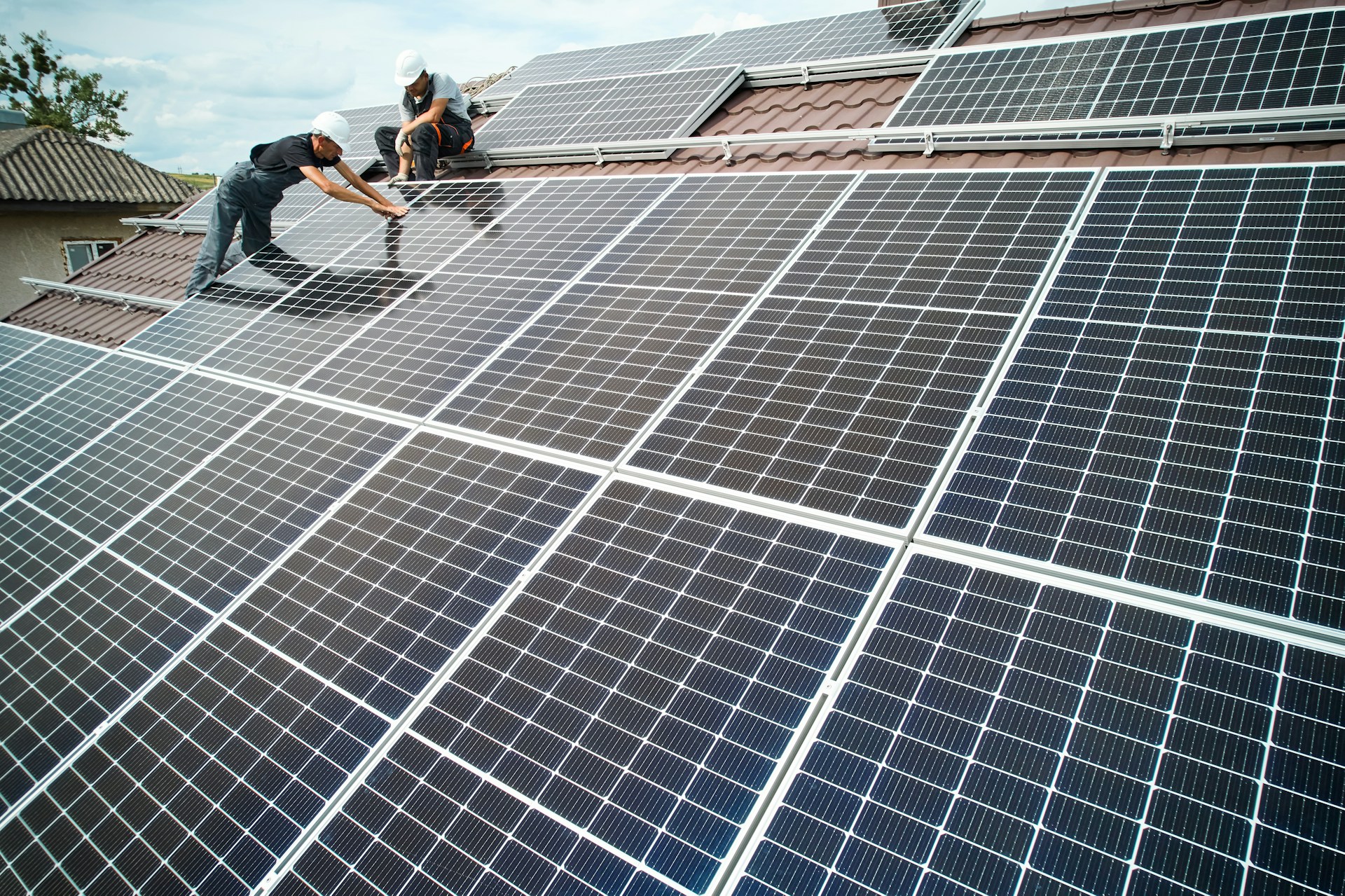
Not every commercial roof will suit every solar system. In South Australia, some rooftops are flat or part-shaded, which can drop performance noticeably. If you rent panels that aren’t suited to your roof pitch or orientation, you’ll likely get less power than planned—and miss out on the savings you were counting on.
Weather resistance matters too. Adelaide gets some pretty strong sun during summer, but storms can hit quickly. If hasty hail comes through in late spring, weaker panels may not hold up. Brands like SunPower and Maxeon have been tested for both hot and rough weather. These kinds of panels pack in more energy using less space and stay steady when conditions get tough. If your rooftop area is limited, gear that delivers high output from fewer panels can help you make the most of what you have.
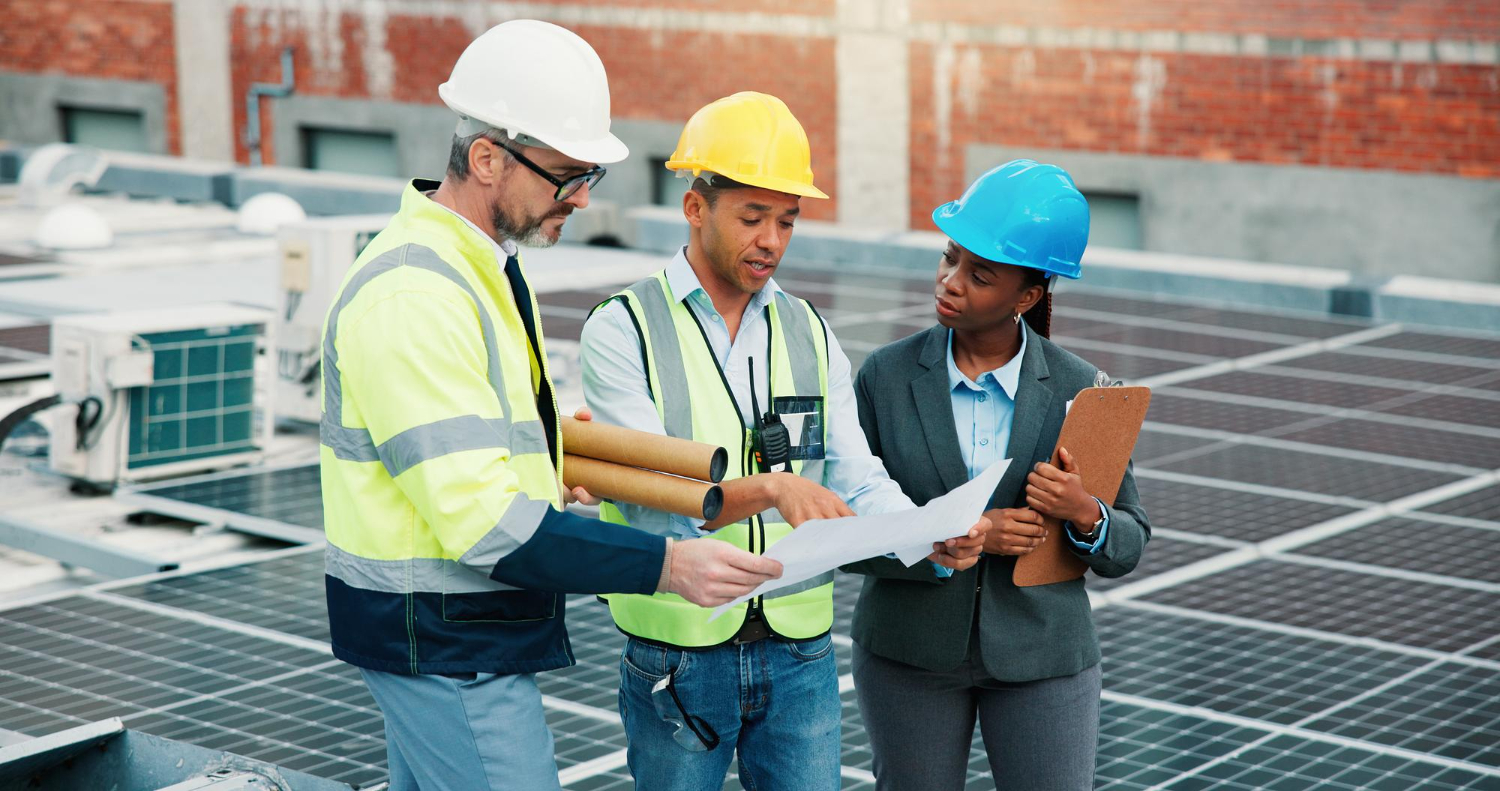
It’s worth double-checking how much planning goes into installing a rented setup on your building. Not every system takes every design into account, which means energy output can be higher or lower than expected based just on how the system was arranged.
Who Supplies the Gear—and How Do You Know It’s Reliable?
With a rental, you won’t always pick each part of the system yourself. That makes it more important to know what’s included. If the panels haven’t been independently tested, or if you can’t find performance data, you may want to ask why. Some rentals may offer older or lower-grade panels that can’t easily be verified.
This is where looking into how the panels are made can help. For example, SunPower builds their panels without toxic chemicals and from supply chains that are monitored for ethical standards. Choosing clean, forward-thinking gear now can make future reporting or compliance easier—especially for businesses with ESG or sustainability goals.
In terms of system performance, pairing your panels with gear like Goodwe or Fronius inverters can keep everything running smoothly. These inverters have been built to work well in places like Adelaide, where the mix of long sunny periods and extreme temperature shifts can put strain on equipment. Good inverters make sure the power you produce is steady and usable throughout the workday.
What Happens When the Rental Term Ends?
Some rental systems may offer the chance to buy the panels at the end, while others will take everything off your roof. Either way, it’s worth checking what that handover period looks like. Can you keep using the system while you decide? Will your site need rewiring later? Some options might cost you downtime, which can be trouble during peak seasons or while targets are being met.
It’s also helpful to think ahead. If your usage has grown or your goals have shifted—like wanting battery backup or cutting diesel reliance—will the system you rented help, or will you need something else?
Businesses planning for energy self-sufficiency over the long run may want to weigh these upsides against the limits of a temporary rental. The power you get through a rental plan today could serve less benefit once larger system upgrades come into play.
Ready for Summer and Beyond: Make Sure the Fit’s Right
As summer picks up again in Adelaide, most commercial operations see a rise in power use. More air con, more production, and longer daylight hours stretch daytime demand. If your business is grid-reliant or worried about outages, any solar setup—rental or not—needs to support those seasonal bumps.
Check whether the rental includes performance guarantees or if it’s simply installed and left. Some systems may offer a battery add-on, while others rely entirely on feed-in power and don’t manage peak needs well. If your load spikes after hours or during unstable grid times, that’s something to account for upfront.
Energy needs don’t always stay the same. Whether you’re beginning to track carbon reporting factors or reviewing your internal auditing system, your solar setup needs to align—not just patch a short-term cost. A mismatched system could slow down your progress when new frameworks or audits come into effect.
Solar Rentals Can Work—But Only with the Right Questions First
Renting solar can fit certain business cases well, but the benefit comes less from speed and more from how well the system fits the building and the business behind it. A simple install might be tempting, but if it slows performance during heatwaves or doesn’t support data insights, the return can fade quickly.
What matters most is how the system supports your day-to-day operations and your future planning. Whether you rent solar panels or design a system from scratch, starting with clear expectations and the right equipment makes all the difference. Gear that lasts, performs, and fits your structure well can carry your operation through busy summers and shifting industry requirements. Look ahead, check what’s included, and ask the hard questions while you still have choices.
Weighing up whether to rent solar panels or lock in a permanent rooftop system? It comes down to what’s going to last and deliver best for your building long term. With Adelaide’s wild swings in heat, wind and hail, having smart technology and proven materials makes all the difference. At Sustainable Savings, we work with high-efficiency panels and reliable components that keep performing under pressure. Let’s chat about what will suit your site and help you build a system that actually works where it counts.