When it comes to commercial solar systems, solar inverters tend to do a lot of the heavy lifting. They take the power collected by solar panels and convert it from direct current (DC) into the alternating current (AC) your business uses every day. If they’re not running the way they should, you’ll likely be getting less power than expected. And that could show up in your energy bills or even impact your everyday operations.
If your business is based in Adelaide and you’ve already taken the step of installing solar, you’ll want to make the most of it. With the warmer months just around the corner, ensuring your system performs at its peak matters. Getting the best out of your solar inverter installation isn’t a one-off task. It comes down to knowing how these systems work, keeping an eye on how they’re running, and making smart choices from the start.
Understanding Your Solar Inverter
Your solar inverter is more than just a piece of hardware mounted to a wall. It plays a key role in how well your commercial solar setup performs. Once your rooftop panels absorb sunlight, they send DC electricity to your inverter. The inverter then flips that into usable AC power, which can be used straight away or redirected to other parts of your building.
Here are the main types of inverters most businesses might come across:
– String Inverters: Most common in large rooftop systems. They link groups of panels (called strings) to one inverter. Cost-effective, but if one panel underperforms, it can bring down the whole string.
– Microinverters: Installed on each panel. These help isolate performance issues and can increase overall output, especially when panels get different amounts of shade.
– Hybrid Inverters: Can work with batteries. Handy if you’re planning to add energy storage later, or if you want to make use of stored solar power during peak periods.
Each option has its upsides and is suitable for different building layouts, energy goals, and operating hours. Knowing what type of inverter you have, or should consider, helps when having a discussion with your solar provider.
Regular Monitoring and Maintenance
Commercial solar systems aren’t a set-and-forget investment. Inverters usually show technical faults using a screen or a flashing light, but gradual performance issues can quietly affect your system over time. Without basic monitoring, you might not realise something’s wrong until it’s cost you productivity or higher energy bills.
Keeping tabs on your inverter doesn’t mean daily checks. You just need a simple schedule, and ideally some smart tech to help. Try this easy process to keep performance on track:
1. Check the display: Most inverters show data on output, errors, and warnings. If any stats look low or strange, don’t ignore them.
2. Review production levels weekly or monthly: Compare this data across periods. If output drops but weather patterns haven’t changed, dig deeper.
3. Don’t ignore new sounds or heat: Inverters should stay fairly quiet and cool. Any humming or overheating could mean something’s off.
4. Use the app: Many inverter brands offer apps to track system stats on your phone. These tools can send alerts, track data over time, and flag issues early.
Regular reviews help spot unseen issues so you can act fast. But when it comes to opening up or modifying equipment, leave it to the pros. For example, we’ve seen a warehouse in Adelaide lose weeks’ worth of expected energy after ignoring a flashing light for too long. A quick look by a technician could have turned it around much sooner.
Maximising Efficiency With the Right Installation
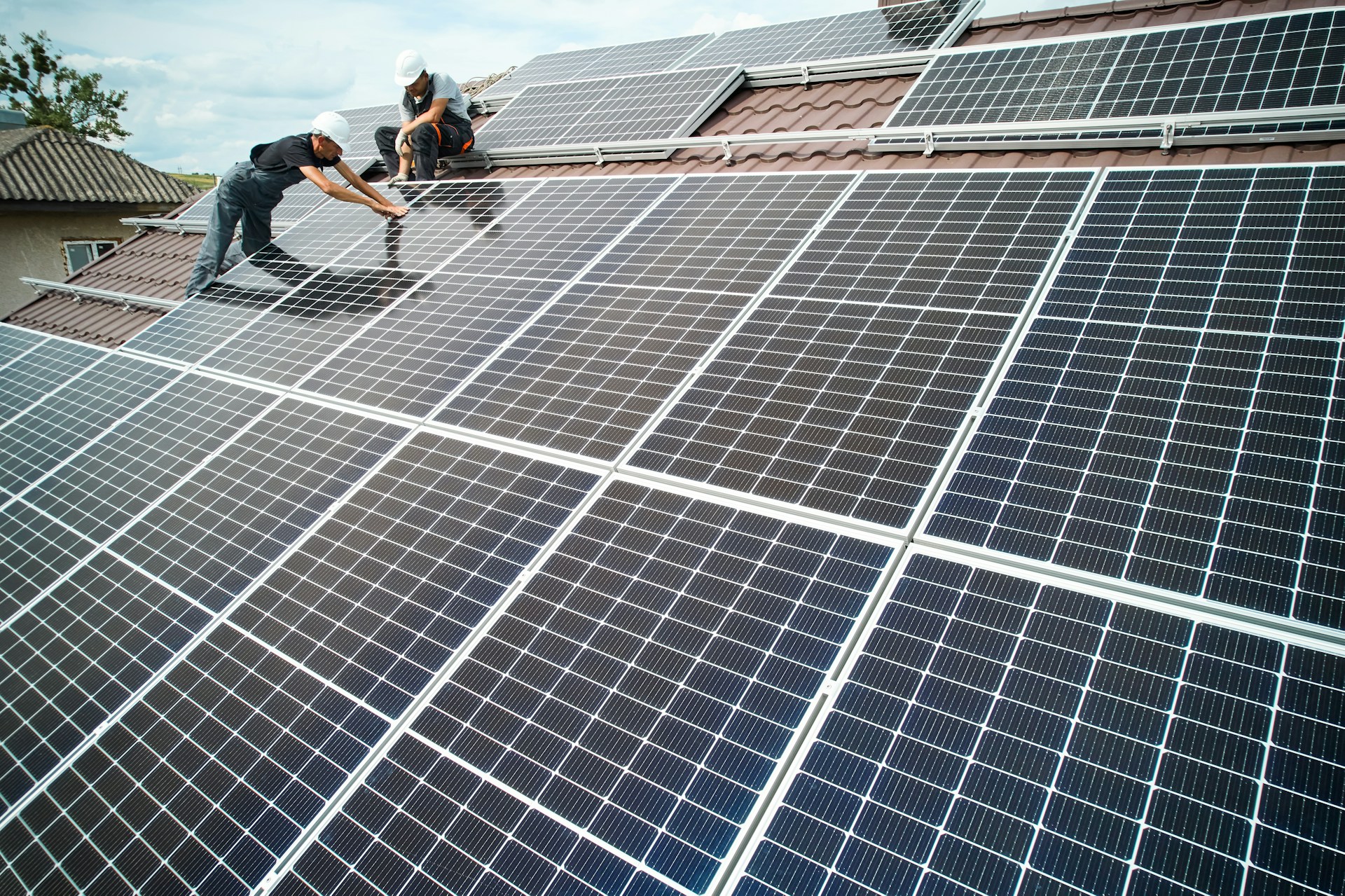
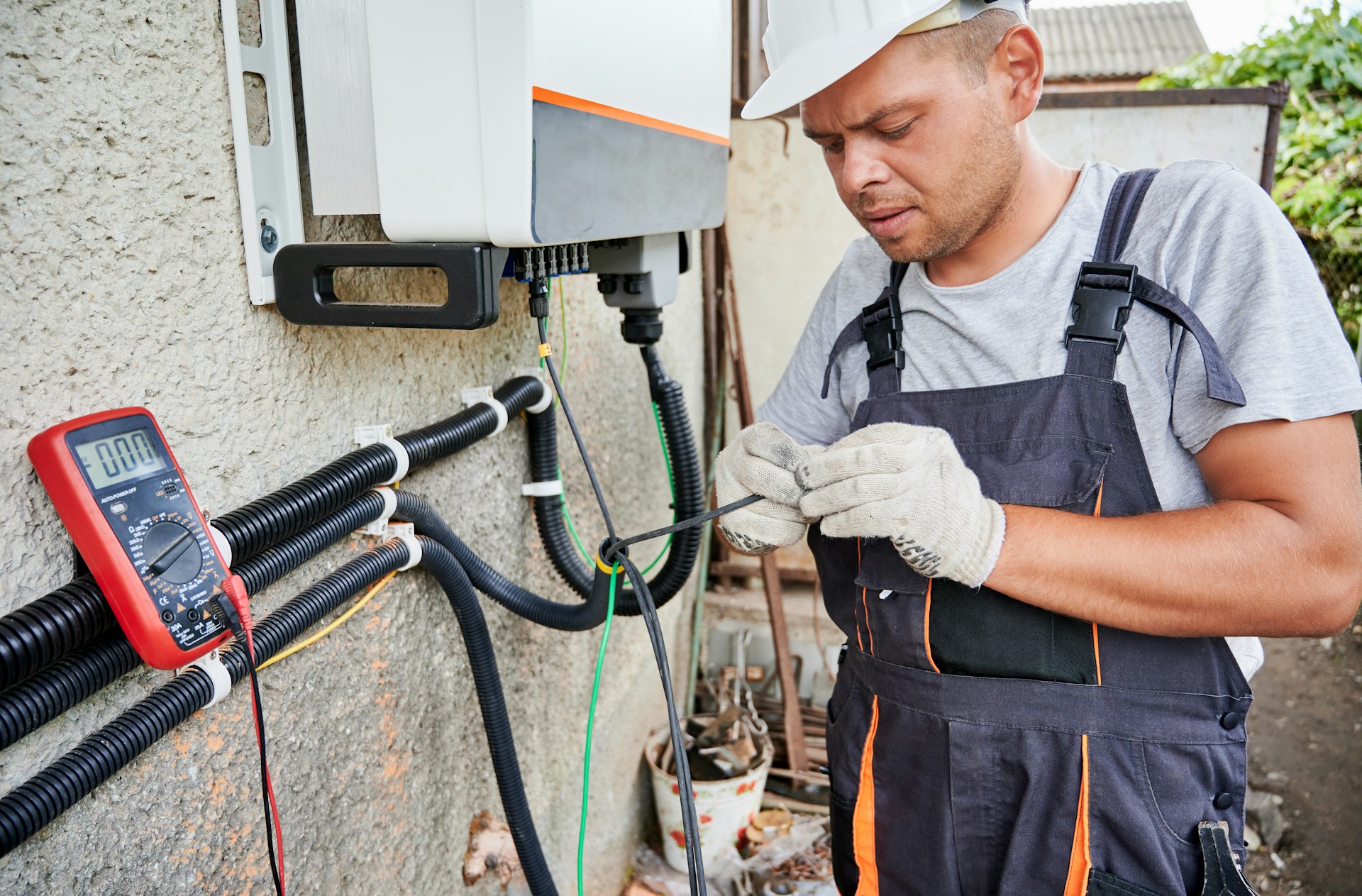
Even the best inverters won’t do a good job if installed poorly. Proper solar inverter installation is what really unlocks high performance and long-term reliability. When setting up an inverter for a commercial building, there are a few practical steps our team always considers up front.
Start with choosing the right spot. The area should be dry, out of full sun, and cooler where possible. A shaded outside wall or a cool internal space like a storage room works well. Heat is one of the top contributors to inverter problems, and picking a protected area helps with cooling and overall longevity.
Next is the setup itself. Ensure wiring is neat and direct from the panels to the inverter. Twisted or cluttered cables, overloaded switchboards, or non-standard connections can cause electrical loss. Simple things often make a big difference.
Here’s what can go wrong when an installer rushes or overlooks these basics:
– Overheating: Cramped and hot spaces reduce inverter lifespan.
– Strange noises: These could signal cable tension, faulty fans, or loose parts.
– Constant alerts: False alarms can happen when units are poorly calibrated, badly positioned, or misconfigured.
Installation teams who take their time and follow best practices avoid these hiccups. It’s all about starting off on the right foot.
The Role of Technology in Optimisation
Advanced solar systems are making it easier for commercial operations to save time and avoid energy losses. One strong trend is the use of smart inverters, which come with extra control and built-in communication features. These aren’t basic inverters—they allow remote setup, real-time monitoring, and analytics to help your solar investment perform day-to-day.
Smart tech can:
– Track performance: Built-in platforms or apps display how the system performs at any moment.
– Redirect usage: Some models can shift where your power goes so more gets used directly, rather than exported or wasted.
– Catch problems early: With real-time data logging and alerts, faults are flagged straight away and even auto-resolved in some cases.
For large commercial buildings, this means less reactive maintenance and closer operational control. You don’t need to stand near your inverter or wait for monthly bills to know if something’s down. The tech helps keep systems running without staff needing to constantly check.
The digital tools also help when scaling up. If you plan to add rooftop space or install a battery down the track, you’re already working with smart infrastructure that can handle those upgrades more smoothly.
Sustainable Savings: Your Partner in Optimising Solar Efficiency
Getting more from your solar system depends on more than just top hardware. The setup, tech, and ongoing checks all play a role. By understanding how your inverter works and making considered choices—whether during your solar inverter installation in Adelaide or through everyday monitoring—you keep your site efficient and reduce long-term operating costs.
At Sustainable Savings, we specialise in commercial systems across South Australia that perform well from day one. Our team always looks at load demands, building layout, and future energy use to design solar systems that tick the right boxes. A well-installed and well-maintained solar inverter won’t just meet expectations—it’ll exceed them. Now’s a good time to step back and ask, is your system doing as well as it could?
To make the most of your commercial solar investment in Adelaide, it’s important to start with the right setup. A well-planned solar inverter installation can boost performance, reduce downtime, and improve energy returns over the long term. Partner with Sustainable Savings to ensure your system is built to last and tailored to your business needs.