Upgrading solar systems on older commercial roofs comes with a few surprises, especially in places like Adelaide where temperatures rise fast and stay high through late spring and early summer. Many businesses jump into solar system upgrades to meet new energy targets or improve efficiency across their site, but not every roof is ready for bigger or newer tech.
Older structures weren’t built to support today’s larger arrays or heavier gear. Shifting to better-performing solar often means dealing with conditions the original roof never had to handle. From structural limits to switchboard rewiring, it’s the hidden details that can push an upgrade from simple to stressful. Planning around those limits early always leads to better outcomes.
Assessing Structural Readiness of the Roof
One of the first roadblocks we run into is the structure itself. A lot of older commercial buildings weren’t designed with solar in mind, let alone modern systems with larger panels or higher energy output. In Adelaide, where heat can build under rooftop systems quickly, even a solid-looking roof might be doing more work than it seems.
We often find one or more of the following:
– Weather damage over time, including corrosion or water ingress
– Signs of sagging from previous loads or past reroofing
– Frames that miss the mark on current load-bearing safety standards
Flat or low-pitch roofs can also add complexity. These surfaces often trap heat or water, making it important to use higher-grade panels that handle those extremes without dropping performance or developing faults. Debris from nearby trees or multi-level structures might add extra wear. If a business skips a proper structural review, they risk short system life or worse, damage from stress the roof wasn’t built to handle.
Compatibility with Newer Solar Hardware
As technology improves, most commercial upgrades now include newer panels from brands like Maxeon or the SunPower Performance Series. These panels offer stronger durability and better output, but they also come sized and spaced differently to older equipment.
That’s where we often find a tight squeeze. Original panel rails, tilt-frames, or cabling layouts may no longer work with today’s wider or heavier modules. Inverter location might need rethinking to avoid airflow issues. Smart inverters, like those from GoodWe or Fronius, often need more space for cooling or access to shadow-free areas.
These changes aren’t just about layout, they affect how well the system runs day to day. If panels are crammed into shaded corners or cabling twists across too many joints, performance drops and faults creep in. Getting the setup right from the start saves businesses from reworking layouts down the track.
Handling Electrical Infrastructure Limits
Many older commercial electrical systems aren’t set up to handle what a solar expansion brings. They might work fine under the current load, but once you double or triple solar input, things start to push past safe limits.
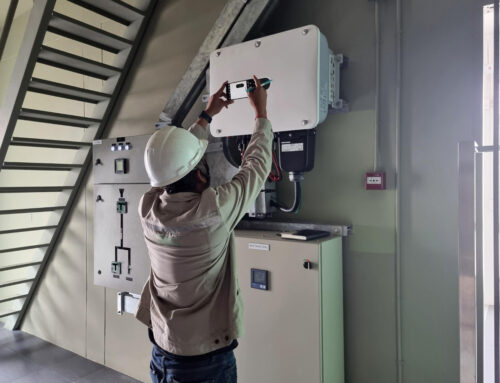
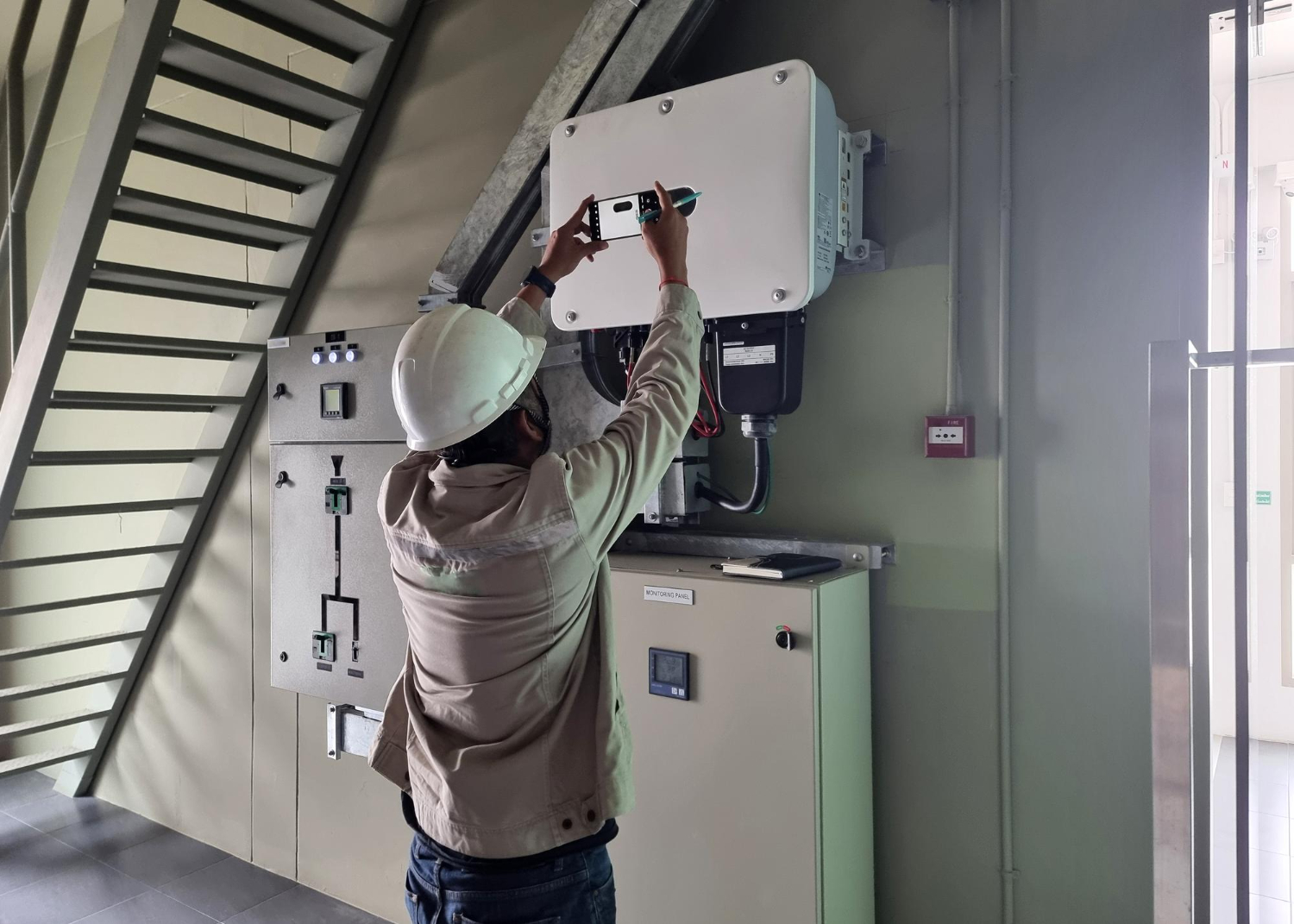
One of the key problems we see is outdated switchboards. These can be undersized or lack spare circuits to support new isolators or monitoring gear. Wiring, too, may fall short in terms of insulation standards or current rating. This becomes a bigger problem if future plans include solar batteries or EV charging, which can demand even more from the system.
Sometimes, reworking the system layout makes sense. Rising demand should always match up with safe capacity. Building managers might also face code updates that weren’t around when their original install went in. Without making time to check these backbone systems, a solar upgrade can backfire badly.
Risks of Underestimating Long-Term Performance
Let’s face it—solar is a long game. The promise of upgrades isn’t just about hitting targets right now. It’s being ready for another 10–15 years of daily use. When that’s not factored in upfront, things tend to show cracks.
One quiet problem we see often is panel mismatch. Mixing older panels with a new string can lead to uneven output and heat build-up. Inverters paired with the wrong wattage will work harder than they need to or underperform during peak hours.
We’ve also seen situations where overlooking site changes derails upgrades entirely. That includes new roof structures, shade from nearby buildings, or even HVAC systems added in recent years. These all shift how sunlight reaches the panels, and if they’re not mapped correctly, the system won’t deliver.
Thinking only about current use without making space for future scale invites expensive change orders. Proper forward planning heads that off.
Ethical, Environmental, and Material Considerations
One area that’s gained more attention lately is material impact. Older systems might carry panels built with materials or production standards that wouldn’t cut it today. Whether it’s toxic coatings, limited recycling options, or poor heat performance, those older models don’t stack up to current expectations or ethical standards.
Systems with high heat tolerance and clean supply chains are a better match for Adelaide’s hot, dry climate. Products like the SunPower Series and Maxeon panels stand out because they’re built to last under extreme conditions without introducing toxic compounds into manufacturing. Businesses looking to make responsible upgrades keep this in mind, especially as sustainability goals become part of regular reporting.
For commercial operators juggling site performance and brand responsibility, choosing upgrades that meet both sides of that coin matters. Durable tech with transparent sourcing brings long-term peace of mind.
Building a Smarter Upgrade Strategy
A strong upgrade doesn’t start with gear, it starts with planning. That means mapping out the site’s current limits and future needs side by side. What does the roof support? How much energy is required season over season? Are battery systems coming later? Can the system grow without needing a full redo?
When systems are matched to the building and its usage, rather than just slammed in by spec sheet, performance goes up and headaches go down. Adelaide’s warmer months bring long daylight hours, but also higher HVAC or machinery loads, so the system has to keep up without overrunning core infrastructure.
We map smarter upgrades by thinking in layers: the building, the energy equipment, the environment, and business needs all linked together. No one layer can carry the outcome on its own.
Long-Term Results Depend on Careful Mapping
Solar system upgrades on older commercial sites are doable, but they’re rarely simple. The best outcomes come when all the smaller pieces—structural needs, wiring, panel compatibility, and long-term site use—are looked at together. Missing one can slow things down or stunt system performance in the middle of summer when demand’s at its peak.
In or around Adelaide, where conditions get hot and usage stays high across many industries, upgrades have to be mapped with precision. The gear is only part of the picture. It’s how well the system fits the site and where the business is headed next that decides if an upgrade pays off.
Ready to take your commercial solar upgrade to the next level? At Sustainable Savings, we ensure each project is a seamless fit with your building’s unique needs and future goals. Explore how to add solar panels to an existing system with our expert team, keeping your setup efficient and adaptable. Let us help you achieve long-term performance and sustainability today!