A lot of larger businesses in South Australia are starting to hear about hybrid solar setups, but it’s not always clear if they’re needed or just a nice-to-have. With warmer months pushing up demand and worries around outages becoming more common, some are wondering if batteries should be part of their solar plans.
A hybrid solar system in Australia usually refers to a setup that includes both rooftop solar panels and battery storage. It lets businesses use solar power as they generate it and save the extra for later, cutting down how much they rely on the grid. But not all commercial sites need that extra piece, and timing matters—especially with summer coming up.
Here’s how hybrid systems work, where they make the biggest difference, and what South Australian businesses should think about before deciding to install one.
Grid Challenges for South Australian Commercial Sites
Running a commercial operation in South Australia brings real challenges, particularly when the heat hits. On those extreme summer days, demand spikes fast. Everyone—from homes to high-use industrial sites—is drawing power at once. That puts stress on the grid and raises the chance of brownouts or unplanned flickers.
If your business depends on constant uptime or heavy equipment, that kind of uncertainty isn’t just annoying—it’s disruptive. Grid unpredictability makes it harder to plan production, keep equipment safe, or stay on track with reporting requirements. This is where a hybrid model can help.
By saving some of the solar power you generate, a hybrid system means you’re not completely tied to the grid. That buffer can help keep things running smoothly when others are scrambling for supply. It’s about building stability into something that’s often out of your hands.
How Hybrid Solar Systems Work With Commercial Rooftops
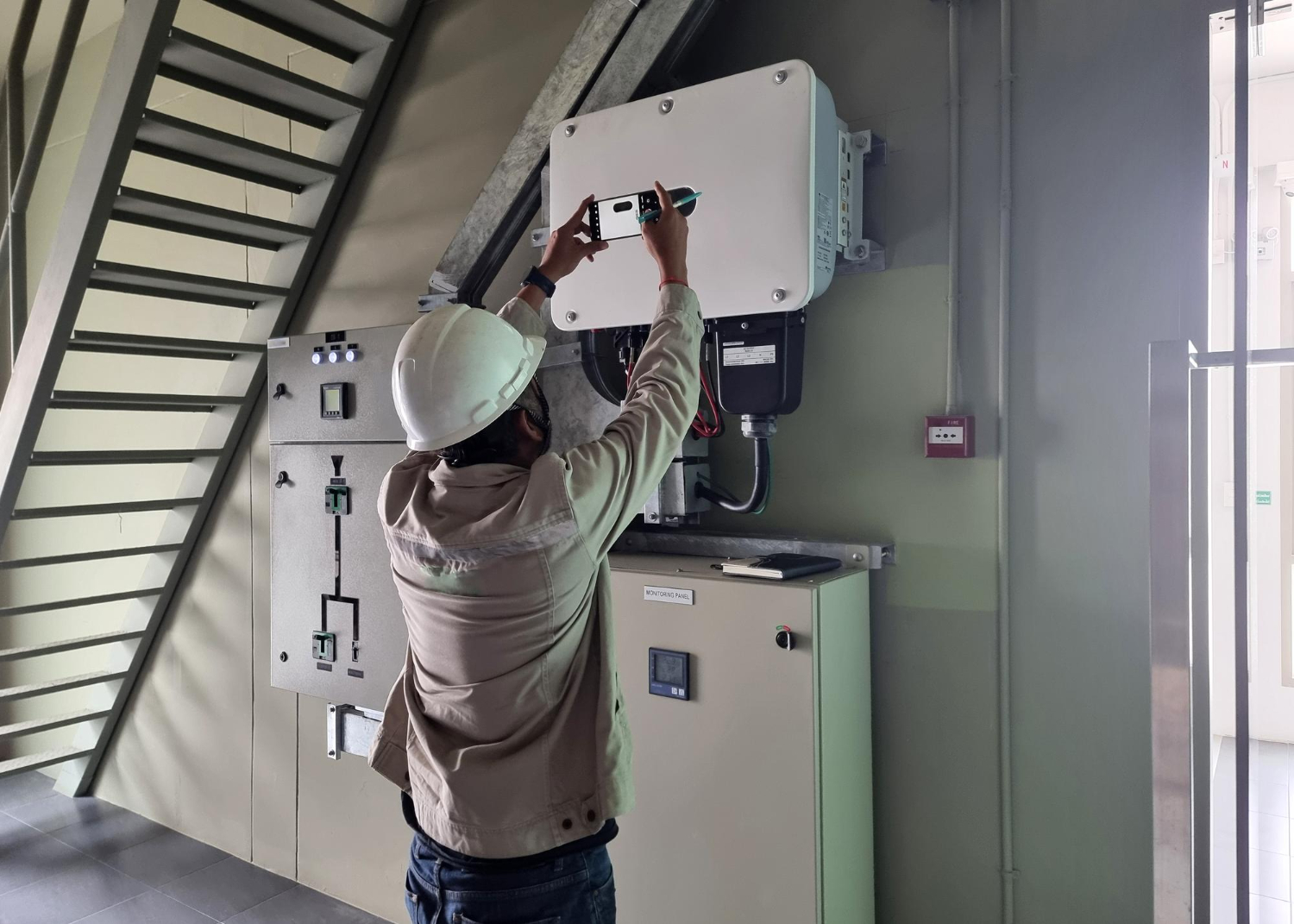
A hybrid system connects solar panels to a battery, often using rooftop space that would otherwise go unused. During daylight hours, solar panels feed power into the site, and if there’s more than needed, that extra energy gets stored. Later—at night or during a power dip—you can draw from the battery instead of the grid.
That can be a big advantage for businesses with long operating hours, split shifts, or tech that can’t afford interruptions. But to work well, the battery size, inverter capability, and full system design matter. Having high-output panels and reliable inverters is what keeps the energy flowing without rough drops or wasted energy.
It’s not about how fancy the setup looks—it’s how well the whole system handles real workload demands. Some brands offer better low-light performance or stay stable when roof angles are less than perfect, which can make a difference on tighter sites.
When a Hybrid System Makes Sense—and When It Doesn’t
A hybrid setup isn’t always needed. That said, for some commercial sites, it’s a smart move. If your grid access is weak, or your business is in an area known for seasonal interruptions, a battery gives breathing room. It’s also useful if you face high usage during times when solar stops generating, like early evening or overnight runs.
If your operation mostly runs during sunny hours and isn’t prone to outages, though, staying with a straightforward rooftop solar system might be just right. Many businesses still meet their energy goals without adding batteries at all.
The key is to match the technology with your real needs. That means looking at your usage patterns, understanding when your site peaks, and examining how your building handles roof load and sun exposure. This isn’t about guessing—it’s about steady planning.
Technology and Quality: What to Look for in a Commercial Hybrid Setup
Not all parts are equal when it comes to planning a hybrid system, especially over time. Starting with the panels—brands like SunPower and Maxeon are known for their strength in extreme conditions. Here in South Australia, heat and sun exposure can wear out average equipment quicker. Choosing panels that perform well through both clear skies and light cloud cover makes a big difference.
Look into hail resistance and tilt performance too. Some sites can’t support steep roof angles, so panels that still produce under low tilt settings are worth considering. Suppliers tested for harsh rooftop conditions are a safer long-term choice.
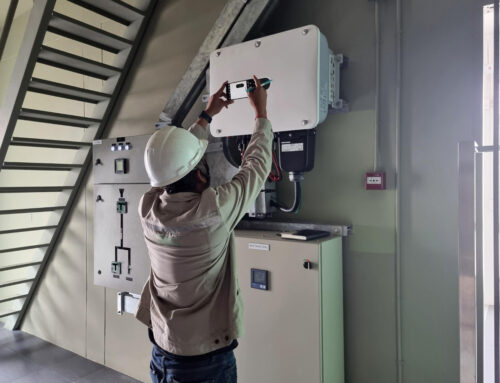
On the inverter side, brands like Goodwe and Fronius offer solid performance for commercial demands. Smart inverters help manage battery charging and usage, so you’re not just collecting energy—you’re using it when and how it helps most. Many also come with tracking features, giving you better insight into what you’re generating and where you use it.
End-to-end quality matters. One weak point in the system can cost more down the line, either in lost energy, equipment replacement, or safety delays.
Long-Term Thinking for Energy Planning
Installing solar is rarely just about having sunlight hit your building. It’s also about what your site is trying to achieve three, five, or ten years from now. As reporting standards shift and sustainability targets get tighter, having more control over energy generation—and when you use it—makes planning easier.
Hybrid systems give a head start on those longer-term trends. Adding batteries now might help you meet future tracking standards, manage peak periods more effectively, or balance carbon impact without relying on external offsets.
This is where sourcing and testing become more than technical details. If your business is watching supply chain standards or aiming to report on ESG factors, solar panels built with non-toxic materials and transparent labour practices help avoid problems down the track.
If you’re going to build something to last, it should hold up under pressure—both physical and regulatory.
Building Energy Flexibility for the Years Ahead
Whether you choose to add batteries or stick with traditional rooftop solar, one thing’s clear—having options helps. A hybrid solar system in Australia isn’t right for every business, but in the right setting, it can take some of the pressure off the grid and give your site a way to keep moving.
As summer creeps closer and demand rises again, commercial buildings around Adelaide will start to feel that strain. Now’s a good time to reassess what your site really needs, where the risks sit, and how much control you want over your own supply.
The stronger the system, the smoother the business runs—season after season.
Planning for better energy control starts with the right setup. A smart battery system gives your business more than just backup—it gives you options when the grid can’t keep up. Whether it’s peak demand, outages or unpredictable weather, the right solution helps protect operations and keep things moving. Take a look at how a hybrid solar system in Australia could support your Adelaide site. At Sustainable Savings, we’ll work with you to design a setup that fits your goals and your conditions.