Across South Australia, more commercial operators are rethinking how they draw power. For many large businesses, the old way of relying fully on the grid just doesn’t make sense anymore. Unpredictable demand, rising pressure on infrastructure, and a sharp focus on environmental targets are pushing change. That’s where solar energy solutions come in.
Rooftop solar systems can help reduce grid use, especially for businesses with high daytime energy needs. From factory rooftops to warehousing hubs, commercial buildings offer space that can be used to generate a steady power supply. By taking that step, businesses aren’t just cutting their reliance on the grid—they’re setting themselves up for better control, long-term savings, and more predictable operations day to day.
Why Grid Dependence Creates Risk for Large Businesses
Most industrial sites in South Australia run on tight schedules, and even short delays can carry consequences. Yet the grid isn’t always consistent, especially during warmer months when demand spikes across the state. If your business peaks during summer or relies on heavy machinery across long shifts, a sudden drop in supply can create costly interruptions.
It’s not just downtime that’s a concern. Planning energy use years in advance has become harder. Wholesale prices shift without warning, and global changes now affect local supply. For businesses rolling out sustainability roadmaps, those shifts add extra risk. Getting more control over supply is now part of smart business planning. Solar helps by reducing exposure to outages, offering a backup source during high-stress periods, and even helping meet local or company-wide emissions goals.
How Rooftop Solar Systems Lower Grid Reliance
Rooftop solar can meet a good chunk of a commercial site’s daytime load, depending on how the system is designed. That eases the burden on the grid when demand peaks and gives your business some breathing room. Instead of relying only on what’s coming in from the network, you’re producing energy on your own terms right where it’s needed.
Some sites take it a step further by adding battery storage. That allows any extra solar energy from the day to be used later when the sun is down or if grid supply drops. Even without storage, though, just reducing reliance during the middle of the day can change how your site works—from lightening pressure on your systems to creating more predictable consumption patterns.
Having a consistent power source also opens up flexibility in how you run shift loads or add equipment. Instead of building everything around the grid’s limitations, businesses can shape some of their output around solar availability. That kind of flexibility is hard to get from the grid alone.
Key Solar Technologies Supporting Business-Led Generation
Performance matters when you’re investing in a system that needs to work every day, with minimal interruption. That’s why the choice of equipment has such an impact on long-term results. In South Australia’s climate, you’re dealing with more than just sunlight—you’ve got wind exposure, heavy rain, and the risk of hail during summer.
Panels from suppliers like SunPower and Maxeon are built to manage exactly that. These panels handle the climate without losing output over time, especially important for larger, exposed rooftops with flatter angles. Their cell design helps with higher conversion even under partial shade or during warm afternoons. They’ve also been independently tested for hail and salt mist conditions, which is key for businesses located near the South Australian coast or in storm-prone areas.
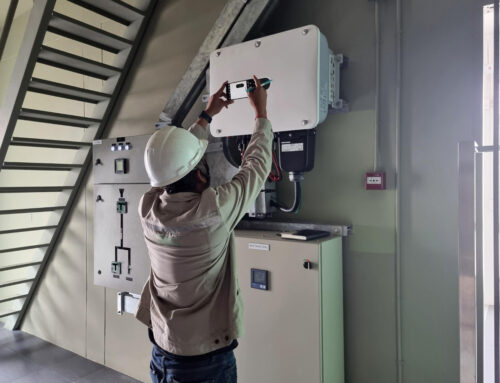
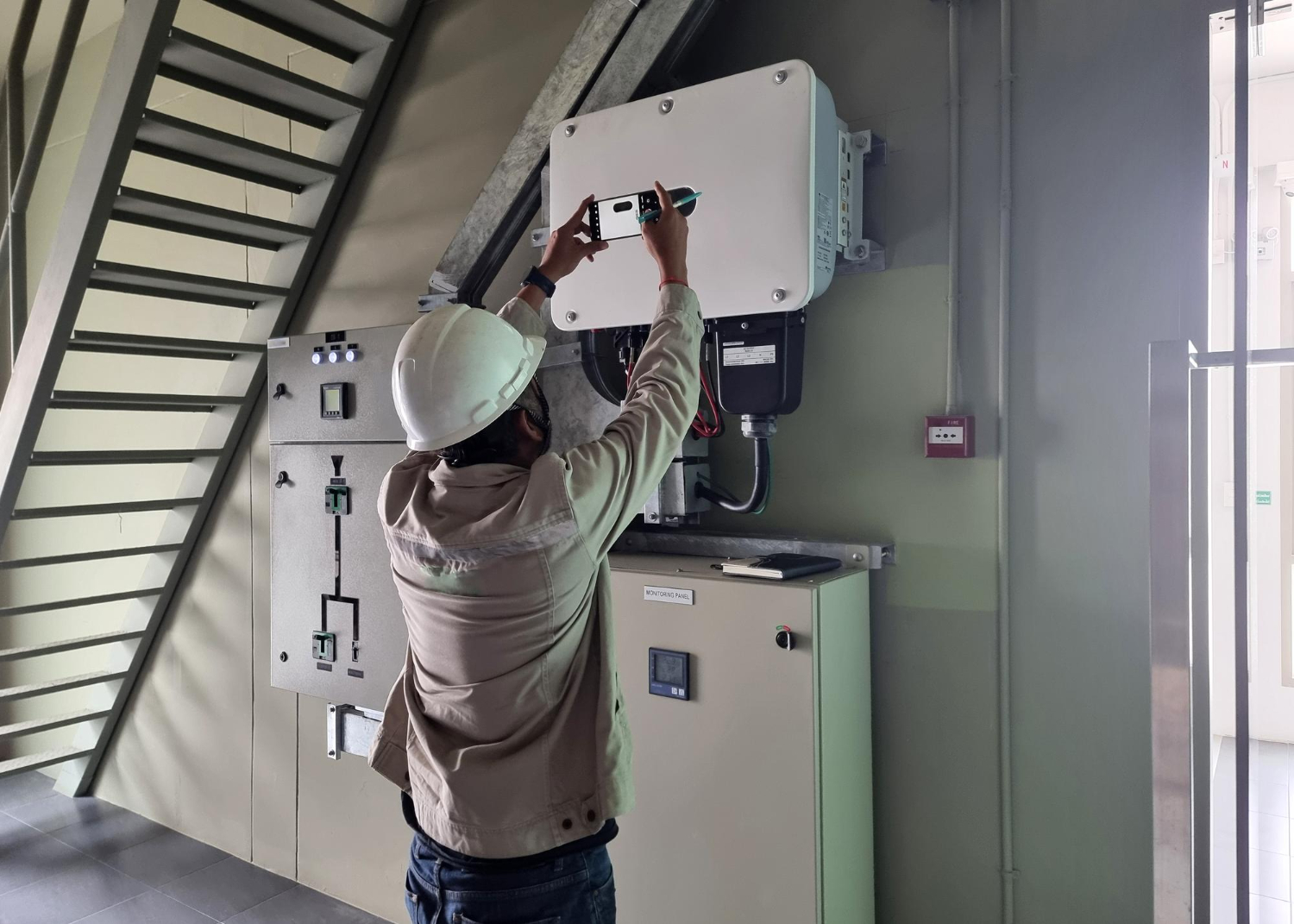
Solar inverters are another piece that make a difference. Goodwe and SMA inverters are widely used in commercial setups for their ability to handle high loads with stable power conversion. That’s especially important on sites with sensitive machinery or multiple buildings. They also support smart monitoring platforms, so businesses can track what’s being produced in real time and compare it with energy use across the property.
Matching Solar Energy Solutions to Business Needs
No two commercial sites are the same, so the idea of one-size-fits-all doesn’t really work with solar. That’s where a planned system makes the difference—matching roof space with load profiles, looking at daily use patterns, and working around existing infrastructure.
Seasonal changes matter, too. In South Australia, long summer days offer extended solar hours, but system performance during cloudy spring mornings can also impact ROI. That’s why panel choice matters. Independent lab reports help show panel consistency across different light levels or tilt angles. Quality testing can also reflect how well a system manages airflow or copes with temperature changes on steel roofing.
More businesses now look at where their panels come from. Some brands stand out for leading supply chain transparency. Choosing solar assets with certified toxic-free materials and zero forced labour in production adds to your sustainability claims without needing extra documentation or explanation. That’s an angle that matters more when companies report under ESG frameworks or look for supplier certifications that match internal values.
Whether you’re expanding operations, adjusting to sustainability targets, or just wanting stability when the grid feels stretched, the right mix of panels, inverters, and design will give you more control.
Smarter Energy Use Starts with the Right Setup
Large businesses across South Australia aren’t just installing solar—they’re reorganising how they think about power. Reducing grid use gives them a way to manage energy on their terms, with less risk tied to outages or price events. With the right solar energy solutions in place, they shift from reacting to grid changes to running with more control and certainty.
A planned rooftop solar setup doesn’t just help with clear skies in the summer months. It becomes part of how operations work all year, giving businesses another way to support what they do best. And in the process, they’re building a cleaner, more reliable base for the future.
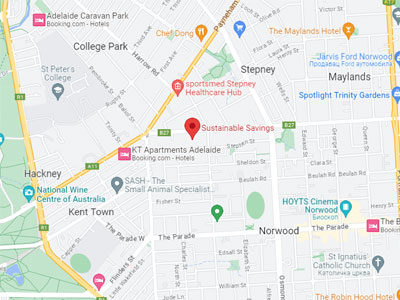
Every commercial site has its own energy profile, and getting the right setup means matching that need with gear that can handle local conditions. That’s where quality panels, reliable inverters, and smart design come into play. If you’re weighing up options for long-term system performance, it’s worth taking a closer look at the range of solar energy solutions available for Adelaide businesses. At Sustainable Savings, we work closely with large organisations to build the best mix of technology and layout for each site. Get in touch with us to talk through what a solar upgrade could look like for your operations.