For businesses with large rooftops, going solar doesn’t mean giving up ground space. In fact, utilising rooftop areas for solar array panels can be one of the smartest ways to increase energy efficiency—especially here in Adelaide where sunlight is plentiful through most of the year.
But planning rooftop solar on a commercial scale comes with its own set of decisions. It’s not just a matter of getting panels up there. Roof structure, building regulations, and the type of technology used all play a part. When there’s no option to install ground-mounted systems, every inch of roof space becomes more valuable. That’s why upfront planning is so important.
Let’s look at what really matters when designing a reliable and efficient rooftop solar setup without relying on ground space.
Assessing Rooftop Suitability for Large-Scale Solar Arrays
Before even thinking about layout or panel type, we start by looking at whether the roof is a good candidate in the first place.
Slope and direction make a big difference. A flat or low-pitched roof might allow flexibility in panel layout but could need extra framing to angle the panels effectively. The roof’s orientation also affects how much light the panels get through the day. North-facing is ideal, but east-west setups can still produce strong results if designed well.
Height and shading are other key things to check. A building surrounded by taller structures or trees can experience regular shading that cuts output. Higher sites might get clearer sunlight but also face stronger wind loads. That’s where structural strength starts to matter.
Heavy panels and racking systems add to the weight the roof needs to carry. So we look closely at the building’s load ratings. Sometimes older buildings need structural reinforcement before installing anything. We also take into account the local wind zone and check what kinds of attachment systems meet compliance for it.
A quick checklist might include:
– Roof material (tin, concrete, membrane, etc.) and condition
– Load capacity vs. system weight
– Orientation and shading throughout the day
– Access infrastructure like ladders and anchor points
Doing this kind of survey early helps avoid project delays and keeps the design grounded in what the roof can actually handle.
Choosing the Right Type of Solar Array Panels for Rooftop Efficiency
When space is limited and every panel counts, the type of technology used becomes a big deal. Not all solar array panels are equal, and not every option performs well in exposed conditions like those found on South Australian rooftops.
Panel efficiency refers to how much sunlight a panel converts into usable energy. The higher it is, the more power you get per square metre. For businesses with tight roof space, using high-efficiency panels means better output from fewer units.
Temperature rating matters too, especially during the hotter months. Some panels lose performance as temperatures climb. Others, like those built with Maxeon or SunPower cell technology, tend to hold up better in extreme heat, making them a good fit for Australian summers.
Size and shape affect layout flexibility. Larger panels may produce more power individually but could be harder to fit around vents or walkways. In commercial applications, where layout must meet both energy goals and compliance rules, balancing panel size and system capacity can help things go smoother during both design and install phases.
Lastly, durability affects long-term results. Rooftop panels are fully exposed to hail, wind, dust, and rain. Choosing brands with strong test data for impact and weather resistance matters when those spring storms start rolling through. Panels that pass extra hail and thermal stress tests are more likely to keep performing year after year.
Designing for Access, Safety, and Maintenance on Rooftops
It’s easy to focus on energy output and forget what’s needed around the panels. Roofing rules, especially for commercial buildings, cover more than just weight and direction.
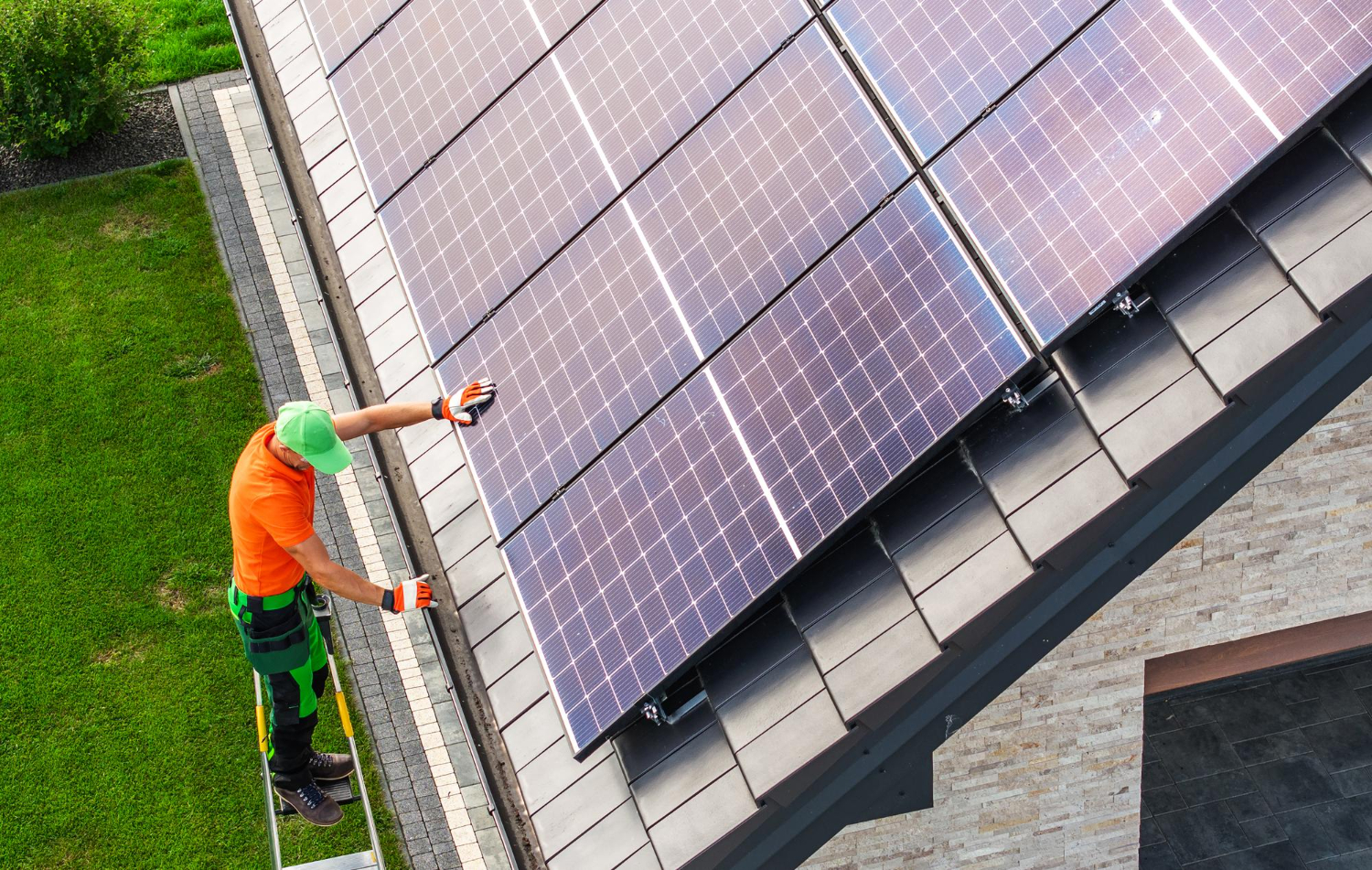
We have to factor in safe access. Walkways between panel rows are part of that. Spacing needs to allow for scheduled inspections and emergency access—even where roof space is tight. Safe clearances around vents, skylights, and roof hatches are required. Planners also need to think about where ladders or overhead lines might affect installer access or fire response.
Fire ratings also apply. Panel backing, cabling, and mounting systems all need to meet local safety codes. Cable trays, clips, and conduit are chosen based on building type and exposure—especially with vibrating metal roofs or high-wind corners.
Panel layout isn’t just about placing them to catch sun. It’s a blend of engineering and regulations. Too much rooftop coverage could block airflow or trigger code violations. Building inspectors look for clear access lanes and fixed signage.
Smarter layouts factor serviceability into the plan from day one, not as an afterthought. That makes future cleaning, hardware updates, or inspections quicker and safer for everyone involved.
Inverter and System Placement When Ground Access Isn’t Available
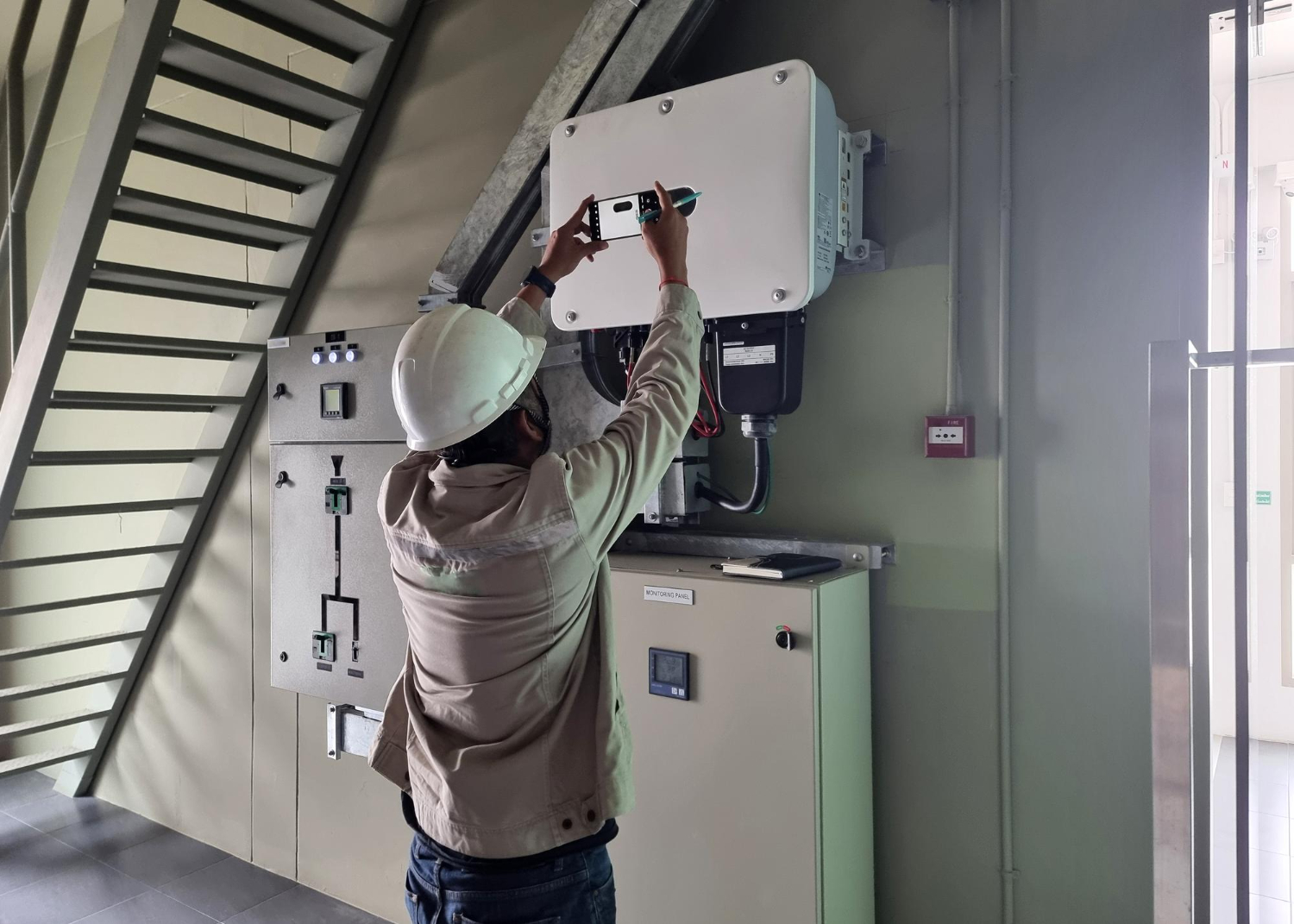
When there’s no ground space, the whole system needs to fit either on the roof or inside the building. That includes the inverter, switchboard, DC isolators, and monitoring gear.
Inverters work best when kept cool, so putting them directly under the sun all day can shorten their life. We try to keep them in ventilated spots or shade them using approved housings. Some systems allow mounting under solar panels, while others do better indoors. Either way, we look at things like ventilation, waterproofing, safety codes, and ease of maintenance.
Cable runs need thought too. Long DC cables from the roof to an inverter in the basement can create energy loss or compliance issues. So where we place things impacts cost and long-term performance.
We often include a plan for safe shutdowns and fast service interrupts in case of fire or electrical faults. That’s more than just a safety choice—it’s a requirement in commercial systems. The inverter setup determines how fast a technician can isolate the system if something goes wrong, and how smoothly energy data integrates with building-level monitoring software.
Long-Term Reliability and Panel Certification For Rooftop Use
Commercial rooftops take on more wear than most people think. Over time, sun exposure, weather swings, strong winds, and hail all chip away at materials. That’s why using panels with verified test certifications isn’t just a technicality—it plays into daily business continuity.
For example, modules that pass hail impact tests under IEC 61215 standards are far more likely to keep producing after extreme storms. These tests measure more than glass cracking. They simulate real-world forces that strike a rooftop over the years.
Warranties can look impressive on paper, but the real question is how the panel performs after 10, 15, or 20 years in a demanding spot like a South Australian rooftop. We look for third-party manufacturing quality certifications from labs we trust, not just marketing copy.
Even more, there’s growing focus on sourcing. For some clients, knowing that panels come from slavery-free supply chains or don’t contain toxic materials matters just as much. That ethical consideration ties into brand image and compliance goals, especially for businesses under ESG reporting requirements.
Choosing reliable panels with testing behind them helps lower the chance of failures or surprise costs down the line—and maintains the system’s performance when it matters most.
Built-In Strength for Rooftop Success
Rooftops are often overlooked in commercial planning, but they hold huge potential. When used well, they support energy targets without touching the ground. That’s important in built-up commercial zones where every square metre of land has other uses.
Planning systems around solar array panels that hold up to daily use, meet safety codes, and make the most of the roof leads to better, longer-lasting results. Commercial buildings here in South Australia are uniquely positioned to benefit from that—with clean, consistent energy that comes straight from above.
By thinking carefully about structure, layout, safety, and reliability, rooftop solar becomes more than an upgrade. It becomes a smart way for businesses to take control of their future.
Strong performance starts with the right mix of layout, roof suitability and smart component choices. For businesses working with limited space, choosing solar array panels that are efficient, tested and built for South Australian conditions makes a big difference. From heat tolerance to hail resistance, every detail counts when the goal is long-term reliability. At Sustainable Savings, we help commercial clients plan rooftop systems with a sharp focus on engineering, compliance and future readiness. Give us a call when you’re ready to make more of your roof.