Trusted by




Reduce Energy Costs With Scalable Solar Panels for Adelaide Businesses
Harness the power of the sun with our cutting-edge commercial solar panels in SA.
Businesses across Adelaide are turning to commercial solar to reduce operating costs and gain control over rising electricity prices. A properly designed system does more than generate power: it improves cash flow, stabilises long-term energy costs, and increases asset value.
Designed to deliver optimal energy efficiency and long-term savings, our solar solutions are tailored to meet the unique needs of your business.
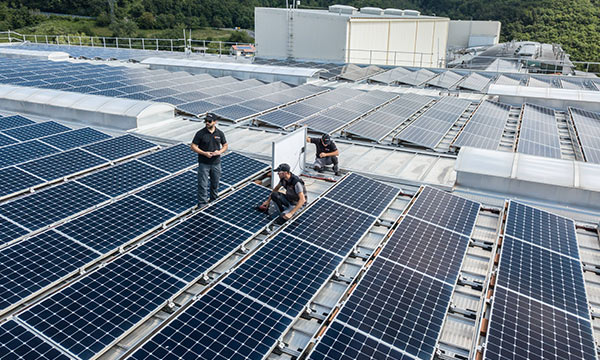
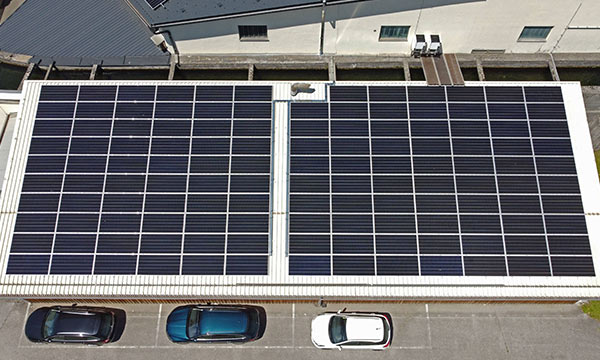
We design and install commercial solar panel systems tailored to your energy usage, roof structure, and business goals.
Reduce your largest operating cost with a solar system designed around how your business actually uses energy, not a one-size-fits-all estimate.
Learn more or claim your obligation-free quote by contacting us today on (08) 7120 6366.
Commercial Solar Panel Benefits
Electricity prices in South Australia are among the highest in the country. For businesses with consistent daytime energy usage, solar delivers immediate cost reduction.
A well-designed system can:
- Offset peak electricity rates
- Reduce reliance on the grid
- Deliver ROI within a defined payback period
- Improve sustainability credentials for tenders and clients
What Are The Best Types Of Commercial Solar Panels?
The best types for your South Australia business are those that offer a balance of efficiency, durability, and cost-effectiveness. Monocrystalline and polycrystalline solar panels are popular choices, known for their reliability and solid performance.
- SunPower Performance Series Panels are known for their high efficiency and durability, which ensures optimal energy generation even in varied climate conditions. Their robust design offers exceptional resistance to the harsh environmental elements, making them a reliable and long-lasting solar solution.
- Maxeon Solar Panels stand out because of their superior efficiency and top-tier energy output, which is crucial for harnessing the abundant sunlight in the region. Their advanced technology ensures long-term durability and minimal degradation, making them a highly reliable and sustainable solution.
How Many Watts Does A Standard Commercial Building Solar Panel Generate?
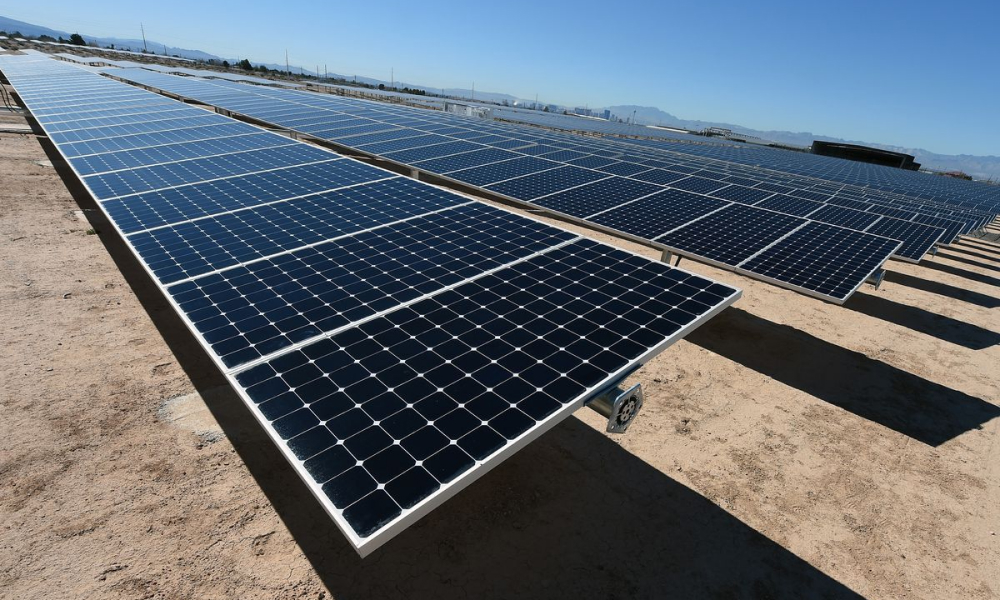
The wattage of a commercial building solar panel can vary widely depending on factors such as the type of panel, its size, efficiency, solar panels for commercial buildings typically ranged from 250 watts to 400 watts per panel. However, advancements in technology have led to the development of even higher wattage panels.
For example, monocrystalline panels often have higher efficiency and can range from 300 to 400 watts or more per panel. Keep in mind that the total wattage of a solar installation for a commercial building is determined by the number of panels you install and their individual wattages. A larger building with higher energy needs might require more panels with higher wattages to meet its energy requirements.
Commercial Solar Panels vs Standard Systems
Most providers treat commercial solar as a scaled-up residential system. This is where performance issues begin.
Commercial systems require:
- Load profile analysis (not just roof size)
- Demand charge optimisation
- Three-phase power considerations
- Export limitation planning
Without this, systems are often oversized or underperforming.
What We Offer
What Factors Affect Commercial Solar Panel Cost?
The cost in South Australia can vary widely depending on several factors. These include the system’s size, type and quality of panels, installation complexity, location, and available incentives. Keep in mind that government incentives, like Small-scale Technology Certificates (STCs) and grants, can significantly reduce upfront costs.
Here are some of the key factors that can affect the cost::
1. System Size: Larger systems with more panels will generally cost more than smaller systems. The amount of energy your business requires and the available roof or ground space for installation will determine the system size.
Note: You can compare our commercial solar systems by size here.
2. Panel Efficiency: Higher efficiency panels may be more expensive upfront, but they can generate more electricity in less space, potentially providing a better return on investment over time.
3. Quality and Brand: High-quality panels from reputable manufacturers may come with a higher price tag but often offer better warranties and long-term reliability.
4. Installation Costs: Labor costs for installation, including permits, labor, and equipment, will affect the total cost. Installation costs can vary based on the complexity of the installation and the experience of the solar installer.
5. Location and Site-specific Factors: Roof condition, shading, and local weather patterns can affect the installation process and costs.
6. Government Incentives: Government incentives, rebates, and subsidies can significantly reduce the cost of solar panel installations. Be sure to check for available incentives at the state and federal levels in Australia, as they can change over time.
7. Financing Options: Options such as upfront purchase, solar leases, power purchase agreements (PPAs), and loans can have different financial implications.
For the most accurate and up-to-date pricing, pick up the phone and call a member of our team on (08) 7120 6366 today.
System Sizes for Commercial Solar
Commercial solar systems vary significantly depending on the business.
Typical system ranges:
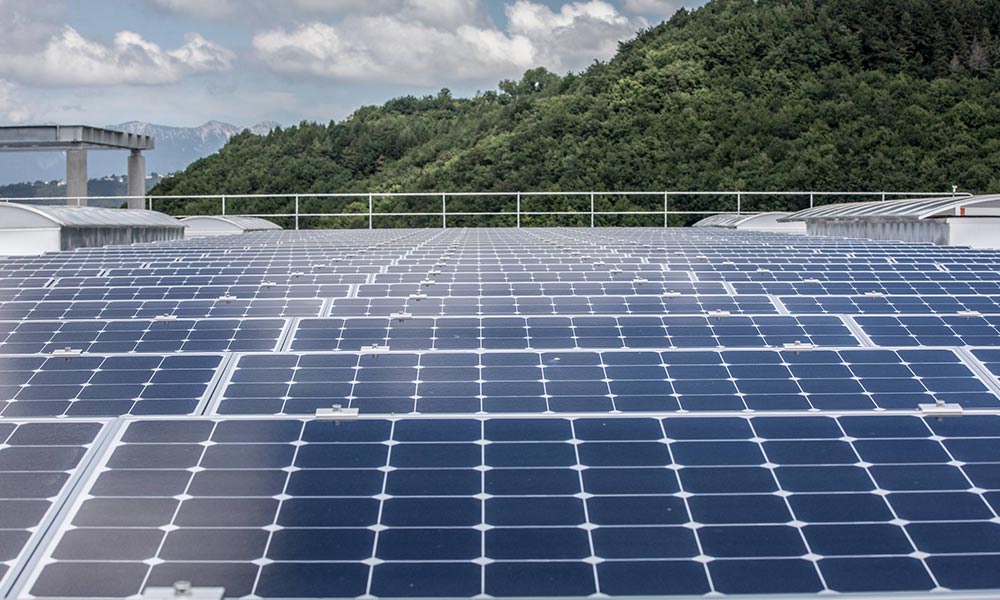
- Small commercial: 30kW – 100kW
- Medium: 100kW – 500kW
- Large-scale: 500kW+
The correct system size is determined by your energy profile, not just available space.
For example, a warehouse using most of its electricity during the day may benefit from a larger system that offsets peak usage, while an office with lower daytime demand may require a smaller system to avoid exporting excess energy at lower feed-in rates.
The Sustainable Savings Difference
Our team includes engineers and energy specialists who design systems based on real consumption data, tariff structures, and long-term cost modelling. This ensures every system is built to maximise financial return, not just system size or panel output.
Our Commercial Solar Installation Process
1. Energy & Site Assessment
We analyse your energy usage patterns, peak demand, and tariff structure.
2. System Design
We design a system based on:
- ROI targets
- available roof space
- export constraints
3. Engineering & Compliance
All systems are designed to meet Australian standards and local network requirements.
4. Installation
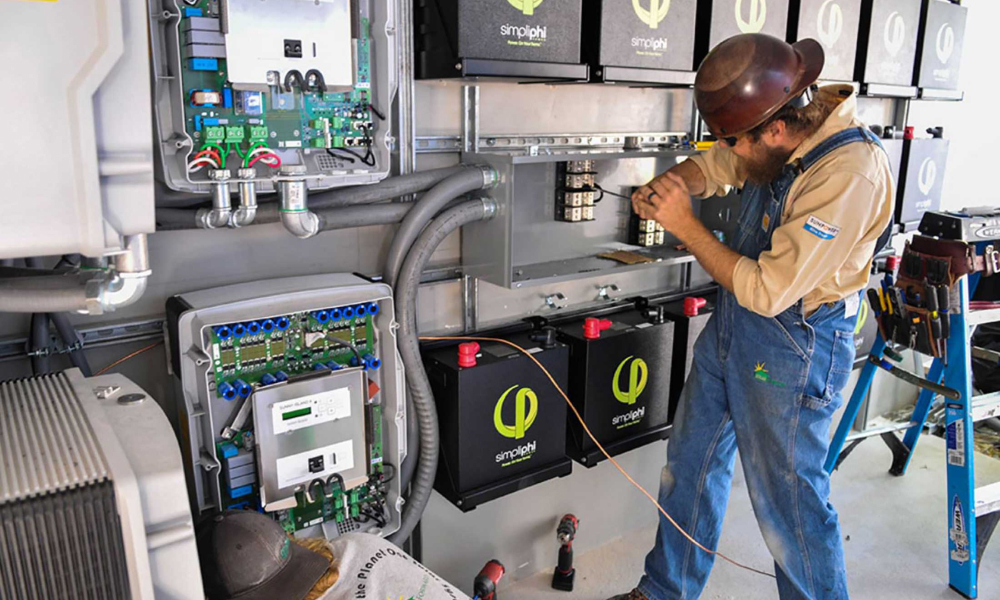
Our team manages the full installation process with minimal disruption to operations.
5. Monitoring & Optimisation
Post-installation monitoring ensures your system performs as expected.