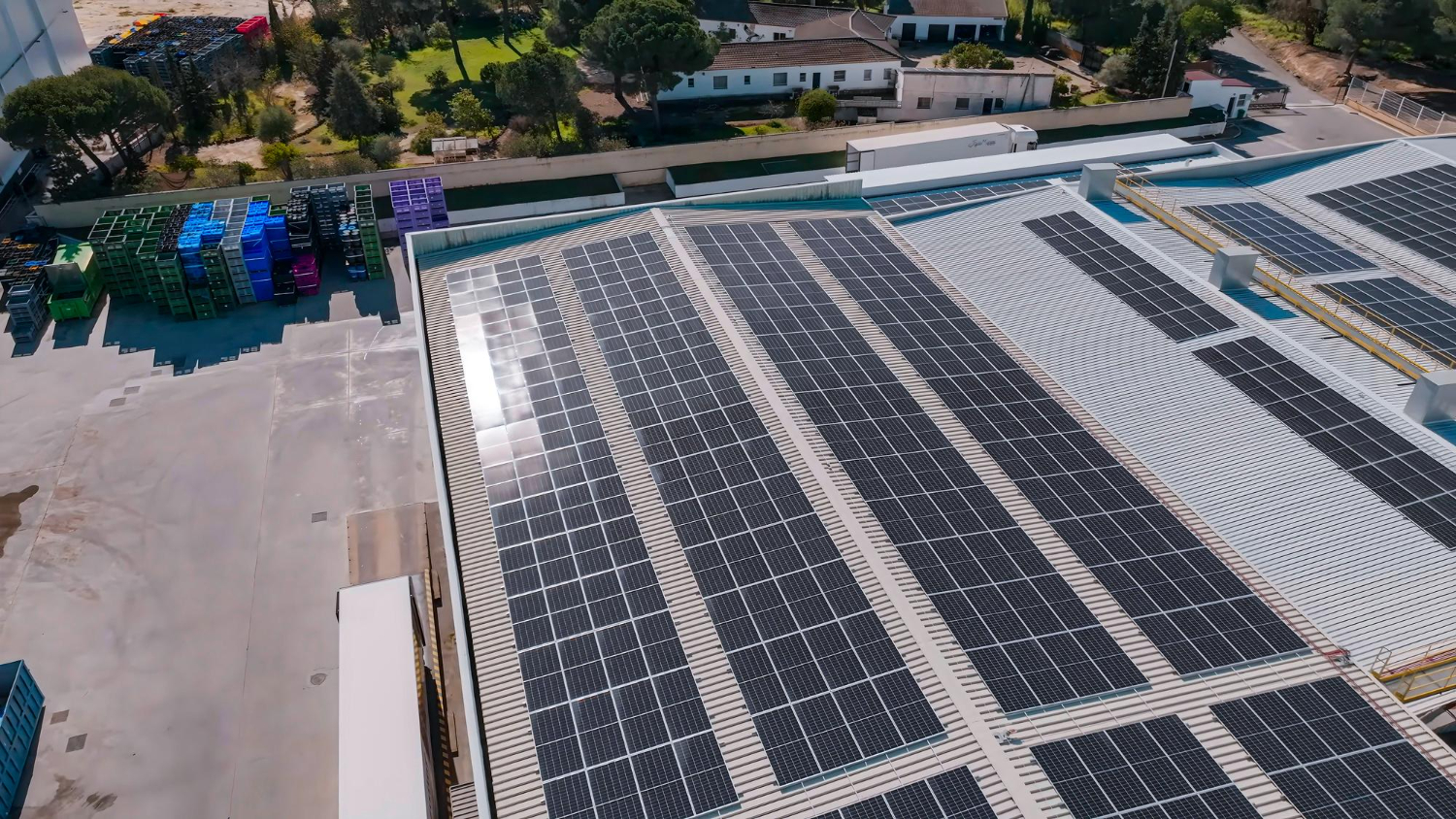
How Certified Solar Panels Stand Up to SA’s Harsh Weather
South Australian weather pushes any rooftop system to its limits. One week it’s scorching dry heat, the next it’s strong coastal winds, and then come spring storms with icy hail. For commercial buildings running large operations, downtime due to panel failure isn’t an option. That’s why certified technology matters. It’s not just about energy output anymore. It’s about whether a panel can keep doing its job in harsh conditions.
When we look at monocrystalline solar panels in Australia, especially for Adelaide-based commercial setups, there’s clear value in choosing panels that are made to last. Some panels break down under extreme heat. Others degrade faster when hit by salt or dirt. Certified panels are put through tests for exactly these situations. And that certification can be the difference between a system that works reliably for years and one that lets you down right when you need it most.
Understanding Panel Certification and Why It Matters
Weather in South Australia isn’t gentle. So before a panel even gets to a rooftop, it should pass specific lab tests. These tests measure how well it handles hail strikes, strong winds, and high temperatures. They show whether the panel’s materials can survive real-world exposure without cracking, warping, or dropping in performance.
For commercial solar panels, top certifications to look for include testing against hail impact and potential-induced degradation, or PID. Both focus on what panels face outdoors. Hail impact ratings say how much force a panel can handle from falling ice during a storm. PID testing checks how stressed materials like the glass and backing sheet get when exposed to voltage and weather at the same time. If that stress builds too much, the panel loses output.
Panels without this testing might look similar from the outside, but they carry risks. Cracks during storms, water getting in, or fast drops in output can shorten product life. And for larger rooftops, fixing or replacing faulty panels is more than just a small fix. It disrupts your workflow and costs time.
Built for the South Australian Climate: Materials That Last
Heat is one of the biggest stressors on solar panels in Adelaide. Long stretches of 35°C and above aren’t rare, and roof surfaces can get even hotter. Add salty coastal air for properties closer to the shore, and panels are up against a real mix of conditions.
Monocrystalline panels are often the go-to for commercial projects because they’re built differently. Compared with polycrystalline or thin-film types, they handle heat better and stay efficient as temperatures rise. That’s key when summer sun is both your power source and your biggest challenge.
Other factors matter too. Glass coatings that reduce glare can stop the surface from heating up too much. Panels framed with anodised aluminium are less likely to twist or corrode. And high-grade edge sealing keeps water from creeping in during storms. Together, these small choices in design make a big difference once the panels are exposed to dust, heat, wind, and salt in real-world rooftop settings.
How SunPower and Maxeon Panels Handle Harsh Weather
When we look at tech made to work in Australian conditions, SunPower and Maxeon stand out. They’re built from the cell level up with strength in mind. That means crack-resistant cell connections and reinforced backing materials. These panels are tested not just in labs but in deserts and sandy regions where dust and heat go hand-in-hand. That kind of data matters when you’re making a long-term investment for a rooftop that’s exposed year-round.
Maxeon panels, in particular, are designed without gridlines on the front. That’s one reason they can keep performing even with a bit of shading or small cell damage. SunPower’s Performance Series, using Maxeon tech, adds another layer of durability. The result? Less downtime, better output stability, and cleaner long-term performance curves.
There’s more behind the glass too. Many certified panels now come from supply chains that focus on ethical practices. That means no toxic lead solders or supply sources tied to forced labour. For councils, schools, factories, and other commercial clients trying to balance performance with values, these certifications raise the bar.
The Role of Inverters and System Design in Weather Resistance
Solar panels get most of the attention. But inverters do most of the work converting that sunshine into usable power. In Adelaide, where clouds, heat, and wind change quickly, inverters like those from GoodWe and Fronius are built to respond. They manage panel inputs during voltage changes or shadows, helping prevent system dropouts.
That’s important when storms hit. Quick data feedback and built-in protections mean fewer shutdowns during those fast weather shifts. If a branch casts shade or hail hits hard, a quality inverter can adjust rather than disconnect fully.
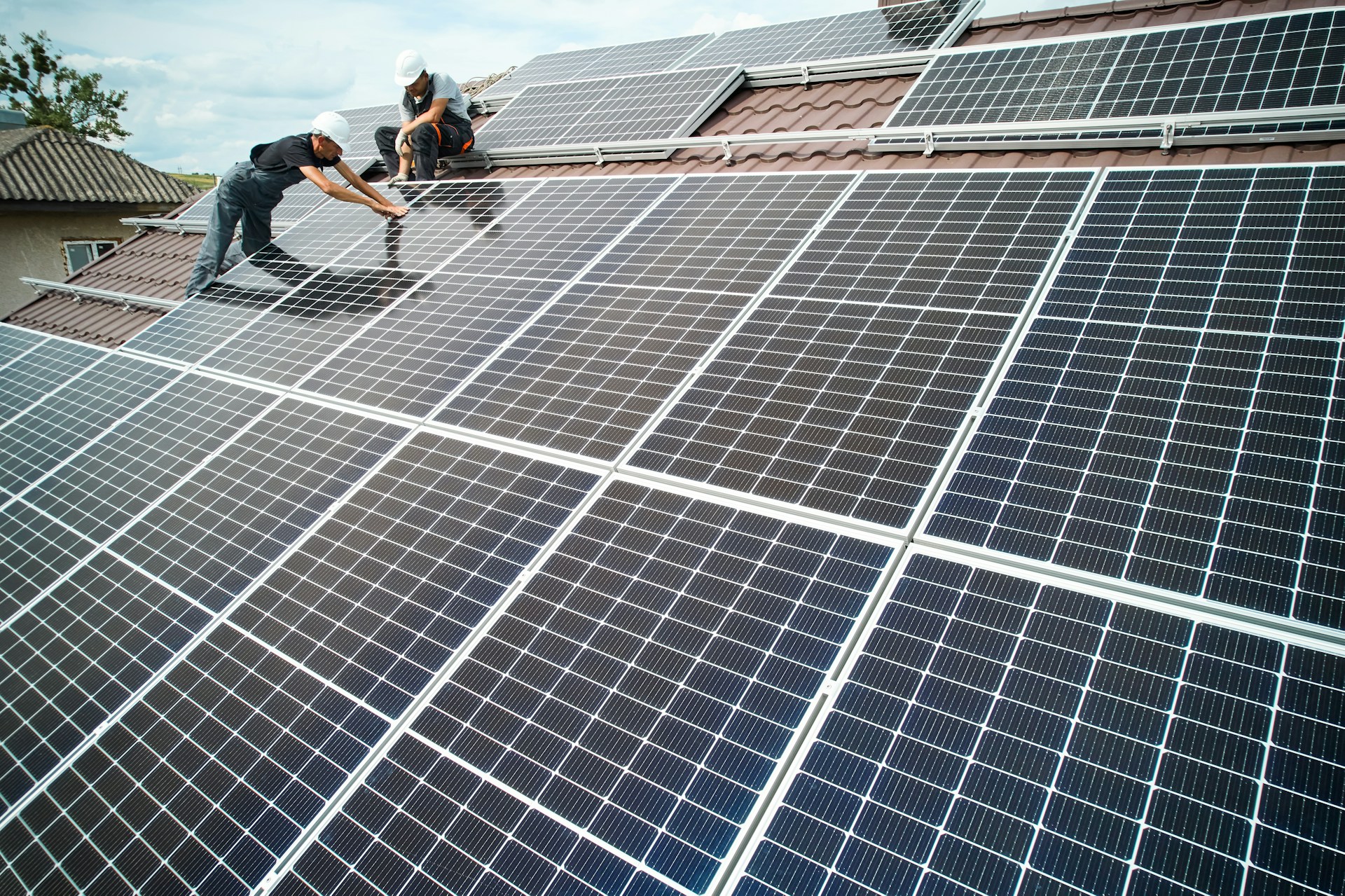
System design plays just as big a role. If panels are placed too flat, rainwater may pool or debris might stay stuck, hurting airflow or cooling. On commercial buildings with low-pitch roofs, racking has to be selected to offset that lack of angle. It helps with drainage and cuts wind stress too. Engineers factor in building height, top-floor use, and local wind patterns to make sure mounts won’t rattle or lift in strong gusts.
When done right, the whole setup—panels, inverters, layout—works as one, reducing wear and avoiding damage during South Australia’s tougher seasons.
A Long-Term Setup That Can Take the Heat—and the Hail
We can’t change the weather, but we can choose how well we build with it in mind. Certified panels that pass stress tests and inverters built for commercial loads help keep systems running when things get rough. Over time, that adds up to more uptime and lower risk of emergency repairs.
Whether we’re looking at heat, salt, hail, or sudden gusts, all of it puts pressure on rooftop gear. Businesses investing in monocrystalline solar panels in Australia, especially in a place like Adelaide, need to be thinking past day-one performance. It’s about how well the system holds up for years under tough skies.
With smart tech choices and the right setup, panels don’t just survive these conditions—they keep delivering, day in and day out. And when your operations depend on clean, consistent energy, that’s what matters most.
When planning a long-term rooftop setup that can handle South Australia’s sun, storms and salty winds, choosing the right gear makes all the difference. That’s why we stick with proven tech like monocrystalline solar panels in Australia—built for durability and better output under pressure. They’re a strong fit for local rooftops where performance and lifespan matter most. If you’re looking to reduce risk and boost stability with panels that hold up in real-world weather, Sustainable Savings can help you find the right solution. Call us today to chat through your project.