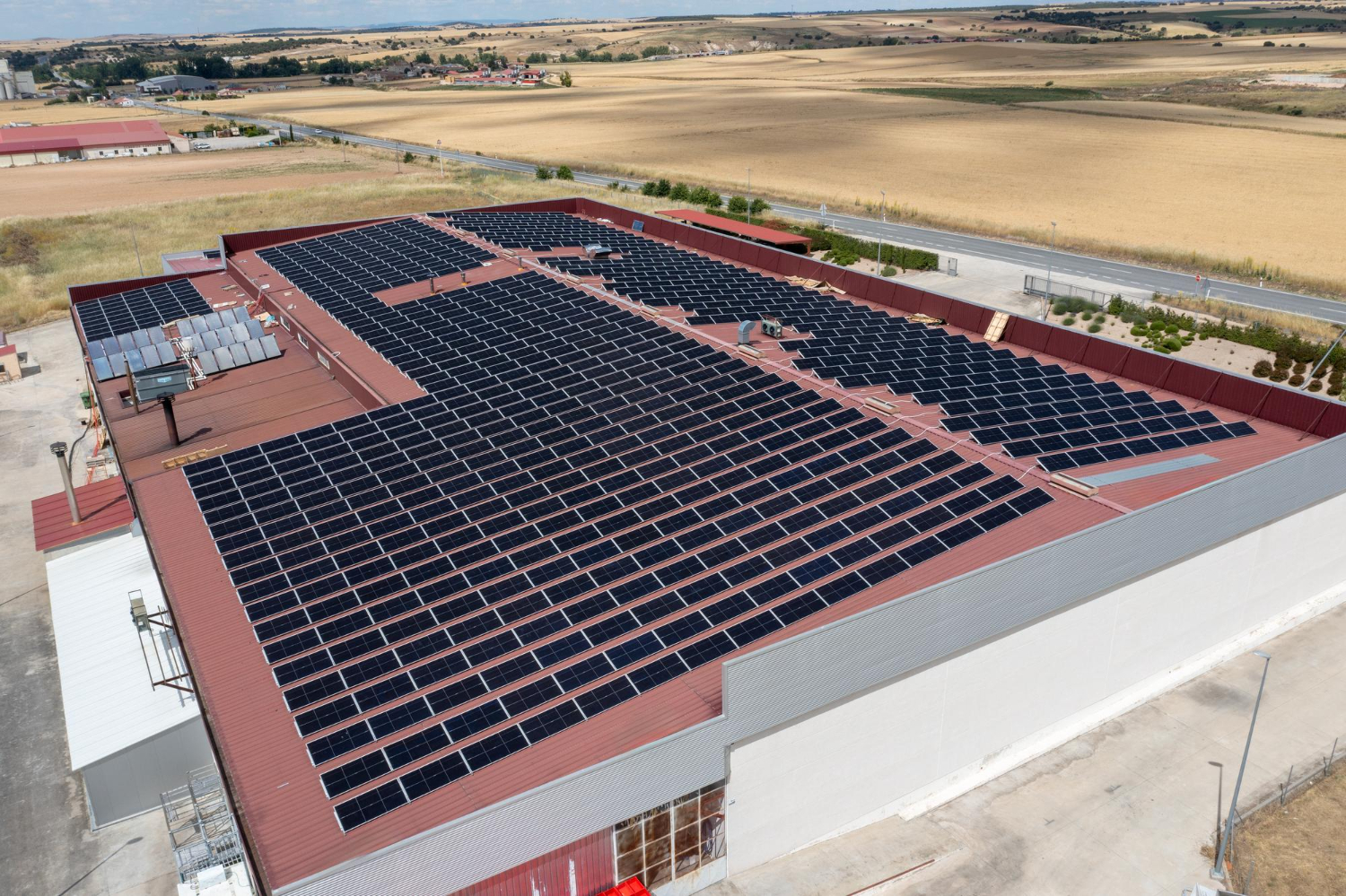
Flat and low-pitched roofs are common across commercial buildings in Adelaide. Many warehouses, retail centres and industrial properties use this roof style because it’s affordable and practical. But when it comes to installing commercial solar systems, having a flatter roof pitch can present a few design and performance challenges. That doesn’t mean going solar isn’t worth it if you’ve got a low slope to work with. It just means the solar system needs to be selected and installed the right way.
With the right panel type, mounting angle and inverter support, you can still unlock great savings while doing your bit for the environment. Let’s look at how to get the most out of solar panels on low-pitched roofs and what businesses across Adelaide should keep in mind before starting their solar project.
Understanding Low-Pitched Roofs
A low-pitched roof generally has a gentle angle, often less than 10 degrees. These types of roofs are common in commercial settings as they’re easier to construct and more cost-effective than steep-pitched alternatives. But they’re not always ideal for solar if the system isn’t expertly matched to the structure. The angle of the roof can affect solar production, drain path for water and cooling airflow under the array.
Because solar panels rely on sunlight striking their surface at an optimal angle, a roof that’s almost flat may not naturally line up with the ideal tilt. In Adelaide, a north-facing angle between 10 to 30 degrees tends to offer the most efficient setup. With a low-pitched roof, you won’t get that sort of tilt built in. This means you often need to account for it artificially by adjusting the racking system.
Here’s where most businesses trip up:
– Panels may be installed without tilt frames, compromising solar yield
– Incorrect orientation can reduce system performance across the year
– Pooling rainwater can increase wear on panel supports without proper spacing
– Poor planning leads to shading between panel rows, especially in winter when the sun is lower
None of these problems are deal-breakers, though. They just highlight the importance of having the right installation approach for these kinds of buildings. If handled well, low-pitched roofs can be just as effective for solar as any other, with the added bonus that panels are less visible from the street, which some business owners prefer.
Optimal Solar Panel Selection
Not all panels respond equally to angle changes or limited ventilation. That’s why it’s worth paying attention to panel quality and design when dealing with a low-pitched roof. For commercial setups, you want panels that work well under thermal stress, can produce under less-than-ideal angles and last even if little air flows underneath.
Panels built using SunPower technology, such as those found in the SunPower or Maxeon range, are known for their toughness and output stability. These types of panels are a good match for flat installations thanks to their high energy density and low power loss under heat. That can be a big advantage during Adelaide’s dry and hot spring days, especially when the air movement under flat-mounted panels is reduced.
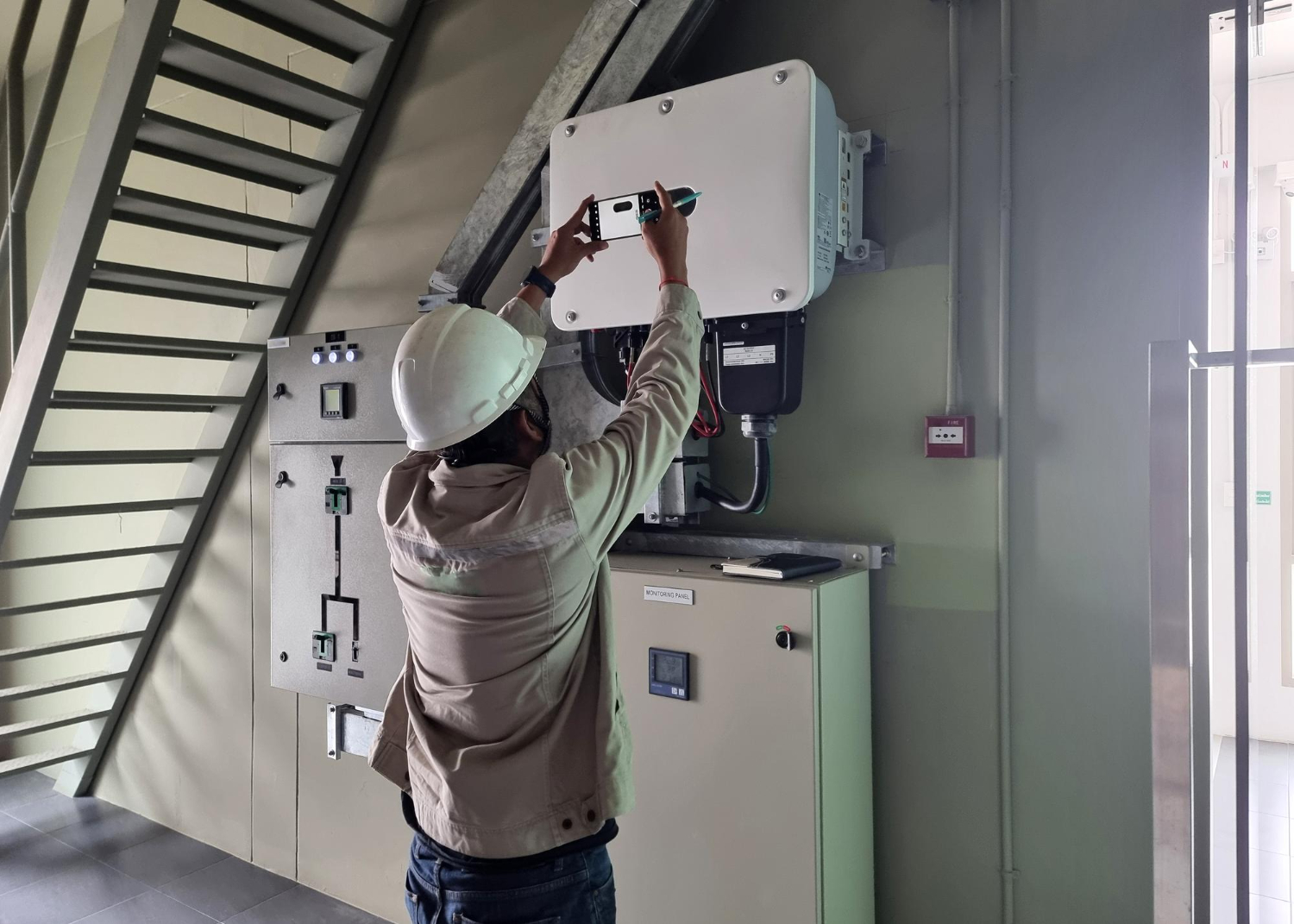
Solar inverters also play a big role in performance on low-pitched roofs. Brands like GoodWe or Fronius offer smart inverter solutions that track panel output and adjust routines to optimise the flow of power. These tools become even more important when your panels aren’t angled in the typical way.
When selecting panels for a low-pitched system, look for these features:
– High output per panel to make the most of fewer tilt options
– Strong temperature rating to avoid performance drops on hot days
– Third-party tested durability such as hail resistance and weather hardening
– Non-toxic materials and ethically sourced manufacturing
Putting together the right combination of panels and inverters is about more than chasing savings. It’s about future-proofing the system so power output stays stable over time, especially when you don’t have the luxury of a perfect roof angle to start with.
Installation Best Practices
Making the most of a solar setup on a low-pitched roof involves a few practical steps. First, using tilt frames can help get the panels to a more efficient angle. This improvement in alignment significantly boosts energy capture, positioning panels closer to that optimal range for Adelaide. It also helps prevent water from pooling, which can occur more readily on a near-flat surface.
Professional installation is key. Installers know how to position panels where they’ll receive maximum sunlight and can avoid shading issues that reduce system output. They also ensure that the panels are securely fastened in a way that withstands strong winds and other tough weather conditions typical around Adelaide.
When considering mounting systems, there are a few points to keep in mind:
1. Quality Materials: Go for corrosion-resistant components, especially with all the salty coastal air
2. Adjustable Frames: These let you tweak the angle easily without completely changing the setup
3. Secure Fastenings: These keep the panels in place during high winds
4. Space Optimisation: Proper spacing between panels avoids unwanted shading between rows
With a little smart planning, even on low-pitched roofs, solar panels can perform at a high level.
Maximising Efficiency and Performance
Solar panel performance on low-pitched roofs is better when there’s consistent monitoring. Regular checks help you spot any dips in performance. Advanced inverter technology can also play a big part. By using feature-rich inverters, you can manage the energy flow from panels to the building’s grid and capture more usable power, even if the tilt isn’t spot on.
For ongoing efficiency, here are some practical tips:
– Keep track of system output and address any drops quickly
– Check that inverters are working properly and adjust settings where needed
– Keep panels free from too much debris or shading that might impact performance
Inverters with built-in monitoring are particularly helpful. They provide real-time feedback, tracking how well your panels capture and convert sunlight. Inverters from Fronius or GoodWe are flexible enough to adjust their performance to suit sunlight levels through different seasons. This helps maintain output all year round.
Time to Make the Most of Your Roof
Tailored solar solutions can make a real difference for businesses with low-pitched roofs. When your system matches the shape and setup of your building, you increase your chances of better performance and more cost savings. The challenges that come with low-pitch designs just open the door for smarter installation and higher quality gear.
Getting help from the right team means you won’t leave anything to chance. That means installing a system that suits your structure, uses tested panel brands and is built with Adelaide’s conditions in mind.
By choosing the right solar setup, businesses can tap into reliable energy while cutting long-term costs. That choice also supports South Australia’s shift to more sustainable practices. With thoughtful planning and expert input, your solar system can become one of the most valuable upgrades for your commercial site.
To fully unlock the potential of solar energy and make a meaningful difference to your business in Adelaide, it’s important to install a system tailored to your specific requirements. Learn how solar panels for commercial buildings can deliver lasting energy savings and long-term performance. Sustainable Savings is here to guide you through every step with tailored solutions built for commercial success.