More commercial buildings across Adelaide are switching to solar every year, and it’s not hard to see why. The climate suits it, and the long-term benefits align well with business goals. But even with all the interest, there’s still confusion around how commercial photovoltaic systems actually work.
We get asked all the time: what happens after the panels are installed? Where does the power go? And how do the pieces fit together on a working site? This guide walks through the key parts of a commercial solar setup, from energy capture to usable power. If you’re planning ahead for a new system, understanding the basics helps you focus on what matters most.
What a Commercial PV System Actually Does
At its core, a photovoltaic (PV) system captures sunlight and converts it into electricity. Seems simple, but there’s a bit happening behind the scenes.
• First, the solar panels on your roof capture sunlight and generate direct current (DC) electricity.
• Then, inverters convert that DC power into alternating current (AC), which is the type most machines and appliances use.
• Once converted, the electricity can either be used directly at your site or exported back to the grid if your system produces more than you need.
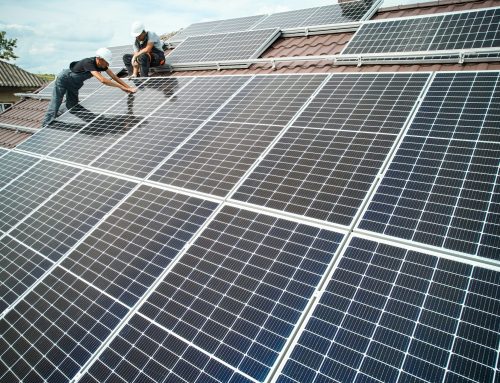
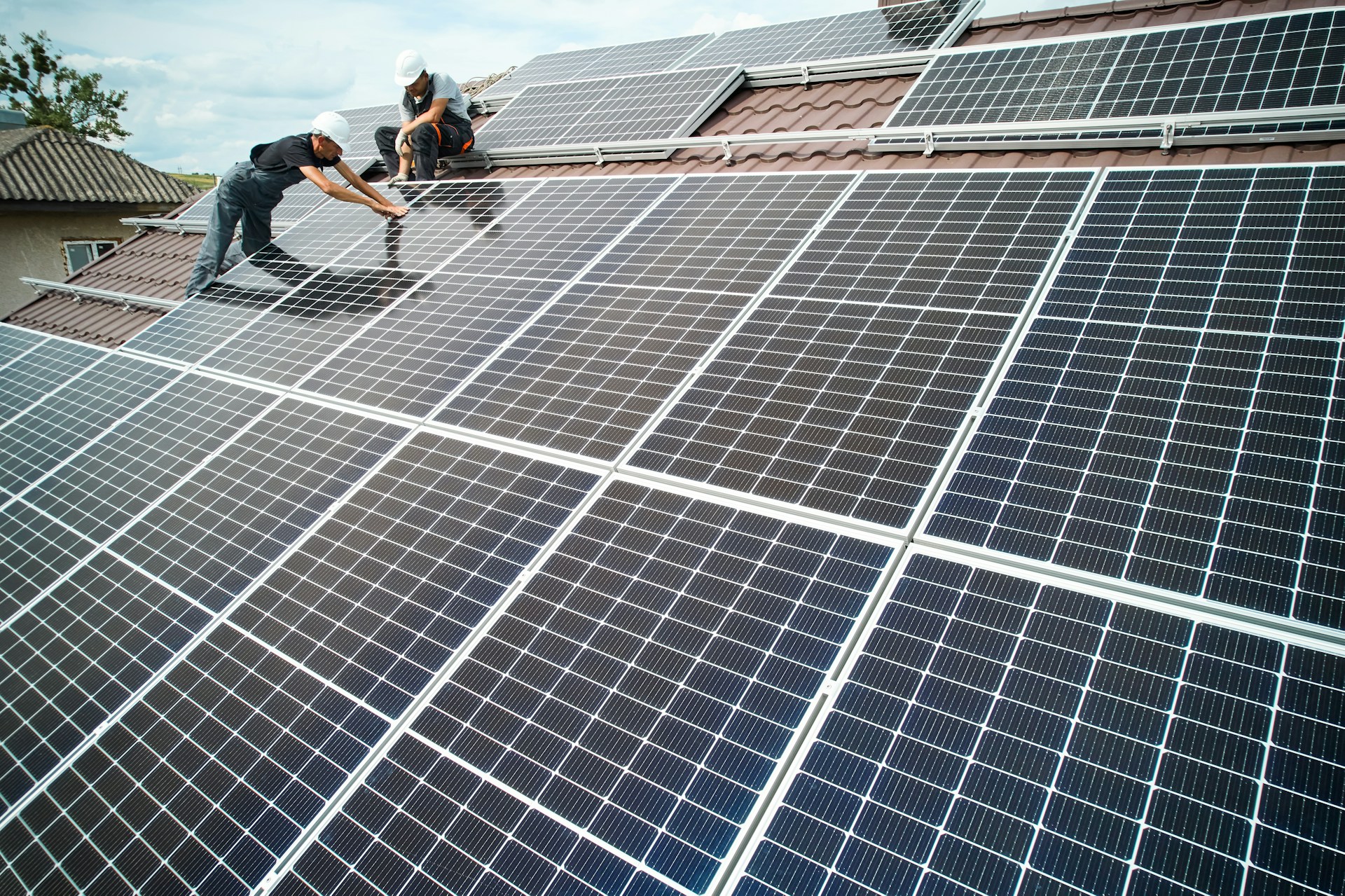
The setup also includes mounting racking to hold the panels in place, wiring or cabling to keep energy flowing in the right direction, and safety gear to manage load or shutoff points. While residential systems work on similar principles, the size, layout, and energy demands of commercial buildings bring in added variables. For example, the design may need to accommodate heavier energy peaks, backup systems, or expansion zones.
Solar Panels for Commercial Environments
The panels themselves do a big piece of the work, so picking the right type makes a real difference. On commercial buildings, we pay close attention to how the panels are built and what kind of performance they’ll deliver over time.
• Strong panels matter on large rooftops that get high sun exposure. We look for long-term heat resistance, especially with Adelaide’s tough summers. Brands like Maxeon hold up well under those conditions and keep pushing out power when temperatures climb.
• Roofs in industrial areas often face hail risk, so certified impact ratings need to be part of the conversation. We check that the panels we use are tested for these realities, not just ideal conditions.
• Ethics comes in too. The materials and how they’re sourced say a lot about the product. We use panels that are certified slavery-free, built without toxic chemicals, and tested in independent labs for real-world reliability. Brands like SunPower and their Performance Series models meet those values with gear built for business setups.
Choosing the right panels for your rooftop means considering both performance needs and environmental impact. For example, if your building sits in an area prone to storms or strong winds, you’ll need panels with tougher build specifications than those designed only for milder regions. Materials used in the panels also matter because some chemicals can break down more quickly in intense heat or pollute the environment over time. By working with brands that test their gear in local conditions and value clean sourcing, the system you install is more likely to deliver what you expect year after year.
The Role of Inverters in Power Conversion
Inverters tend to be out of sight, but they do nearly all the heavy lifting once sunlight becomes energy. Choosing the right one means long-lasting, stable output.
• Inverters convert the electricity and help distribute it across your site’s circuits. On larger buildings, we plan the layout so the inverter can handle fast shifts in power use, especially if different zones kick in at different times of day.
• Models from Fronius and GoodWe are strong fits for South Australian weather. They come with features like heat-resistant enclosures and dynamic load control, which help keep systems running smoothly as outside conditions shift quickly.
• We also look for smart inverter functions that help balance demand. On a busy commercial site, energy loads move between machines, lights, systems, and HVAC. A smart inverter helps stabilise those shifts without overloading or cutting performance mid-task.
When installing a solar system for a business, it’s important to choose an inverter that can handle sudden increases or drops in usage. For example, if your warehouse runs machinery at night or your climate systems work extra hard as the ambient temperature rises, the inverter must manage those spikes without strain. Sophisticated inverters can also help keep track of your electricity usage trends, which makes it easier to spot problems or areas for improvement over time. They support energy monitoring systems and can adjust outputs automatically to help you use every bit of energy your setup captures.
Design Considerations for Rooftop Setups
Not every rooftop is set up for solar right away. That’s why early planning can save time and hassle later.
• We always check the pitch or tilt of the roof since flat or low-pitched roofs are common in business blocks. These might need support frames to get the panels into a better angle for daily sunlight.
• Roof load limits are another checkpoint. Solar gear isn’t extreme in weight, but over the span of a large roof, it adds up. We calculate how much each section of the roof can support and plan layouts accordingly.
• Shade can be easy to miss during site walks. Nearby buildings, trees, or roof gear like vents can block morning or afternoon sun. We map this carefully to keep output high across the full day’s cycle.
• Long-term use matters too. If you’re thinking of growing your space or adding more equipment later, we design the layout to allow easy expansion without pulling up the original system.
Another key design point is proper spacing of the panels. Commercial rooftops can be crowded with other equipment such as chillers, air conditioning units, or water tanks. Careful mapping ensures panels won’t be blocked or cause airflow issues. Smart placement means your panels catch the most sunlight possible and the overall system runs at peak efficiency throughout each day and across the year. Considering the future is always part of the design. Many businesses change their operations as they grow, so leaving room for extra panels or quick connections later makes expansion projects smoother.
Why Testing, Safety, and Environmental Performance Matter
A high-performing system isn’t just about output. It’s about knowing your equipment won’t fail under pressure and meets your company’s values.
• We choose gear that’s been tested under the real conditions we face in South Australia. That includes hail, high heat, and wind. Systems exposed to these forces need to stay safe, connected, and stable.
• We don’t rely only on product sheets. Lab tests from third-party groups give us proper insight into how panels and inverters perform years down the line. That helps avoid surprises and builds trust in the choice.
• Companies today want their energy use to reflect a bigger picture. Part of that includes ethical and environmental oversight. Certifying that panels are built with safe, honest materials helps align your solar plan with corporate sustainability goals.
A robust testing process is as important as great design and installation. When panels or inverters are subjected to local weather extremes before they’re installed, it’s much easier to spot weak points in design or construction. Reliable systems continue to perform when rain, wind, or dust rolls through. This is especially important for businesses with mission-critical operations that can’t afford interruptions. Testing and third-party certification also show that the manufacturer stands behind their product, which provides your business with peace of mind for the years to come.
Putting Solar to Work for Your Business
Commercial photovoltaic systems do more than just make electricity. Done right, they reflect the way your building operates, the values your business holds, and the performance you’ll count on for years.
By understanding how these systems work, you can get clearer on what pieces matter, how to map your own site, and where to start conversations about planning. Solar works best when aligned with practical, day-by-day business use, so knowing the basics helps lay the groundwork for smart decisions and solid returns.
Thinking about how solar could support your Adelaide, Australia, business operations? Now’s the time to plan smarter. Our custom-designed systems are engineered for performance, safety, and lasting results, addressing the unique demands of Adelaide’s weather and commercial environment. At Sustainable Savings, we use proven technology that’s tested, certified, and built for real commercial workloads. Ready to make a move with trusted, high-output solutions? Start by learning more about our approach to commercial photovoltaic systems, then contact us to discuss what’s possible for your business.