Planning a commercial solar installation in Adelaide? With summer approaching and energy use typically peaking, it’s an opportune time to consider how solar energy can power your business more efficiently. Adelaide’s abundant sunshine makes rooftop systems an excellent fit for commercial operations, but successful implementation involves more than just selecting panels and connecting them.
Each commercial space has unique requirements. Factors such as roof load capacity, panel quality, inverter compatibility, and the ethical sourcing of hardware all influence the long-term performance of your system. Here’s what we focus on when assisting large businesses in initiating their projects effectively.
Understanding Your Roof and Building Setup
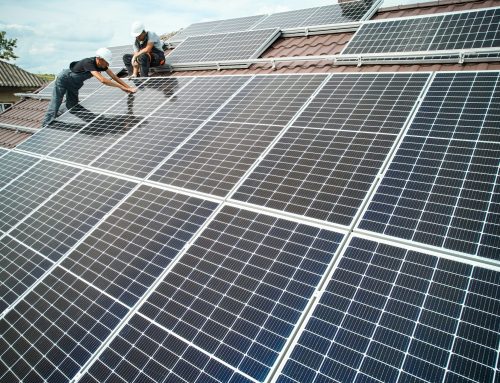
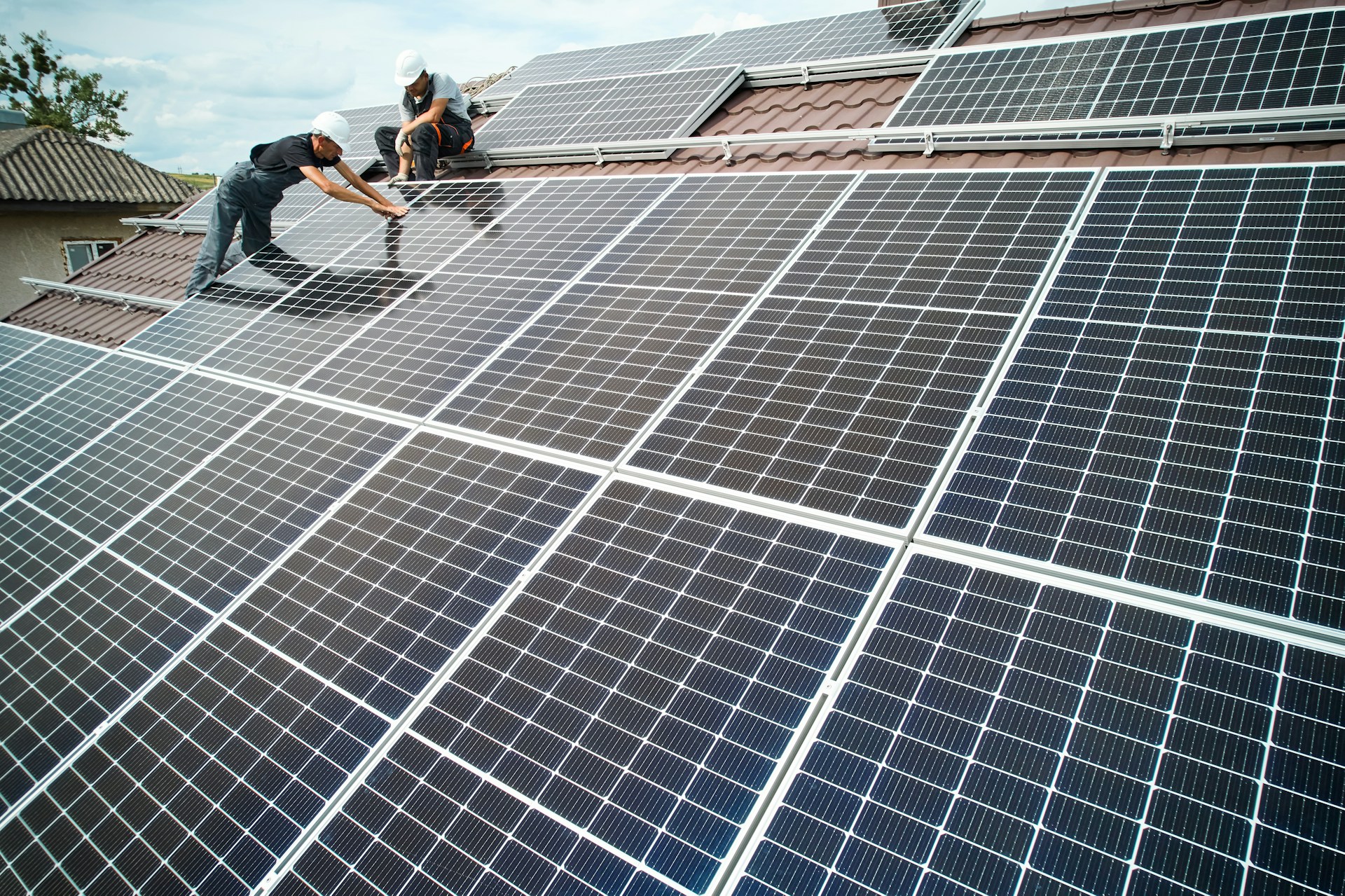
Before selecting hardware, we begin with a thorough assessment of the roof. A well-planned rooftop installation prevents significant issues like energy loss or structural stress in the future.
• Roof type and tilt are crucial. Low-pitch or flat roofs, common in industrial buildings, may require additional mounting equipment to achieve the optimal panel angle, directly impacting daily energy production.
• Weight considerations are important. While solar systems aren’t excessively heavy, their distributed load across a large rooftop can be substantial. We ensure the underlying structure can safely support the frame, panels, and cabling without straining older sections of the building.
• Shade can unexpectedly affect performance. Elements like trees, HVAC units, or adjacent taller buildings can cast shadows that reduce solar output. Designing layouts that account for shaded areas helps maintain consistent performance.
A full roof inspection also looks for potential obstacles or weaknesses in the structure. Cracks in the roof surface, aging flashing, or weak points in older roof sections need addressing before panel installation begins. Many commercial roofs feature various penetrations for vents, ducts, and drainage, which must be considered and often reinforced to maintain system integrity over time.
Another important aspect involves assessing wind load and waterproofing. In Adelaide, strong winds, especially during sudden weather changes, can affect unreinforced panels. Securing a weather-resistant mounting solution protects not only your panels, but also your roof investment.
Choosing Durable Panels for South Australian Climates
Adelaide’s summers are hot, and not all panels perform equally under high temperatures. We prioritise systems that maintain efficiency even when roof temperatures exceed ambient air temperatures.
• High-performance panels are significant in South Australian conditions. Models like Maxeon are tested for high-efficiency output during hot periods, aligning peak production with high demand.
• Hail is a risk during storm season, especially for exposed commercial rooftops. For this reason, panel impact ratings are integral to our installation plans. Using certified, hail-resistant brands minimises repair risks and downtime.
• Reliability is key. We trust panels like the SunPower Performance Series for local installations. As South Australia’s only SunPower Elite Partner, we offer panels with industry-leading warranties of up to 40 years, covering parts, labour, freight, and disposal. sustainablesavings.com.au
Not all panels are created equal, especially when it comes to handling the extremes that South Australia’s climate can deliver. High efficiency ratings matter not only on paper, but in real-world scenarios where panels are exposed to UV, rapid temperature fluctuations, and debris. Longevity in this environment relies on manufacturing quality and careful product selection based on the brand’s reliability and past performance data specific to the region. When planning your installation, we factor in ease of replacement and whether future technology upgrades could be seamlessly integrated with your current systems. This approach helps protect your investment and ensures consistent performance, season after season.
Inverter Matching and System Layout
Selecting the appropriate inverter enhances energy outcomes. A mismatch between the inverter and panel setup can lead to output limitations or errors under higher loads.
• We assess each site’s projected energy use and select an inverter that meets demand with additional capacity. Brands like GoodWe and Fronius offer models capable of handling larger commercial loads and adapting to local temperature variations.
• Smart inverter features are favourable. Adelaide’s weather can change rapidly, so dynamic output controls, heat protection, and load balancing are beneficial when energy usage fluctuates throughout the day.
• We design layouts to avoid interference with roofing systems, drainage paths, or ventilation points. Clean cable runs reduce energy loss and facilitate faster, safer long-term maintenance.
An inverter is the heart of a commercial solar system and is critical to converting solar panel output into usable energy for your building. Poor inverter selection, or failing to future-proof capacity, can result in restrictions that limit your system’s return on investment. This is why we carefully size inverters, plan for redundancy, and design for scalable capacity. Advanced inverters now provide real-time monitoring, helping facilities managers quickly detect inefficiencies or faults. The location of inverters on site is also considered to prevent overheating and simplify ongoing maintenance access.
Physical layout choices, including the distribution of panels and separation from obstructions, maximise production and lower the risks of wiring faults and reduce wear on system components. Good design ensures your solar array supports business needs without disrupting building services or access requirements.
Looking Beyond the Hardware: Ethics, Sourcing, and Future-Proofing
The composition of your panels is as important as their output. As businesses strive to reduce their carbon footprint, the solar supply chain’s integrity is increasingly scrutinised.
• We prioritise brands with ethical supply chains and safe manufacturing practices. SunPower panels, for instance, adhere to strict ethical and environmental standards. sustainablesavings.com.au
• Commercial buildings often evolve or expand. Planning for future energy needs by incorporating additional capacity in the initial design can save significant costs over time.
• Independent testing provides assurance that lab performance translates to real-world results. Every product we use comes with real-world test results demonstrating long-term durability and efficiency.
Sourcing solar hardware from manufacturers with documented ethical practices is increasingly considered a best practice. Choosing panels made with low-toxicity materials and from suppliers that uphold environmental and labour standards is not only a moral choice but also an investment in long-term reputation. As the industry moves toward transparency, evidence of third-party testing and certifications helps confirm that promised efficiency and durability are delivered at your site.
Future-proofing is another necessary aspect of successful planning. Whether your business expects to grow or you want to avoid costly upgrades in future years, leaving room in your system’s electrical design or choosing modular components can ensure a smooth transition if you ever need more capacity. This minimises operational disruptions and supports evolving energy strategies without unnecessary waste.
Considering battery compatibility and smart energy management during planning can offer options later if on-site storage becomes practical or if your local network connection changes due to regulatory or business needs.
Strategic Planning Leads to Long-Term Success
A successful commercial solar installation in Adelaide begins with thorough planning tailored to your building’s characteristics, energy consumption patterns, and desired outcomes throughout the year.
By combining trusted products with intelligent layout planning and consideration of seasonal conditions, we help businesses develop systems that are durable and efficient and free from common pitfalls that can cause future complications. Time invested in the planning phase can result in years of reliable performance and significant returns.
Planning ahead is important for rooftop solar success. For Adelaide-based businesses, now is an excellent time to explore how a well-designed solar system can improve your energy performance through summer and beyond. We’ve assisted companies across the region in designing effective layouts and selecting hardware suited to both usage and climate. To learn more about the steps involved in a successful commercial solar installation in Adelaide, contact Sustainable Savings today.