Maintaining a solar system that performs efficiently is a smart move for any commercial business. Over time, even the best setups wear down or fall behind when new technologies arrive. That’s especially true in South Australia, where growing demand, shifting energy usage patterns, and harsher climate conditions all play a part. If your system was installed several years ago, there’s a good chance it’s no longer operating at the level your business needs. Upgrading isn’t just about better performance, it’s about staying competitive and keeping costs under control.
An upgraded solar system can mean less reliance on the grid, stronger output, and better support for ever-changing commercial energy demands. With newer panels, improved inverter tech, and integrated monitoring tools, businesses can benefit from capturing more power for longer. The shift to smarter, more durable equipment promises lasting returns, especially for companies with high operational loads throughout the day. If you’re starting to see the cracks in your current setup, it’s worth taking a closer look at whether an upgrade makes sense for your business.
Signs That It’s Time For An Upgrade
Solar systems are built to last a long time, but they don’t run at full power forever. As your business grows or changes, the system that once worked great can become a poor fit. Here are some telltale signs your commercial solar setup could need an overhaul:
1. Drop in Output
If your system isn’t delivering the same power it used to, and your daylight usage hasn’t drastically changed, that could point to degraded performance. Smaller output might be due to lower panel efficiency, age-related wear, or issues with the inverter.
2. Outdated Technology
Solar gear has advanced rapidly in the last few years. Legacy systems may be using older panel styles or basic inverters that don’t support things like smart monitoring or energy management. Without access to those capabilities, you’re missing out on serious potential for optimisation.
3. Rising Energy Use
As your operations expand, your solar system might fall short in meeting peak demands. If you’ve added new equipment or working shifts,that original design might no longer match your energy consumption profile. The result? Greater grid reliance and higher electricity bills.
4. Increased Maintenance Needs
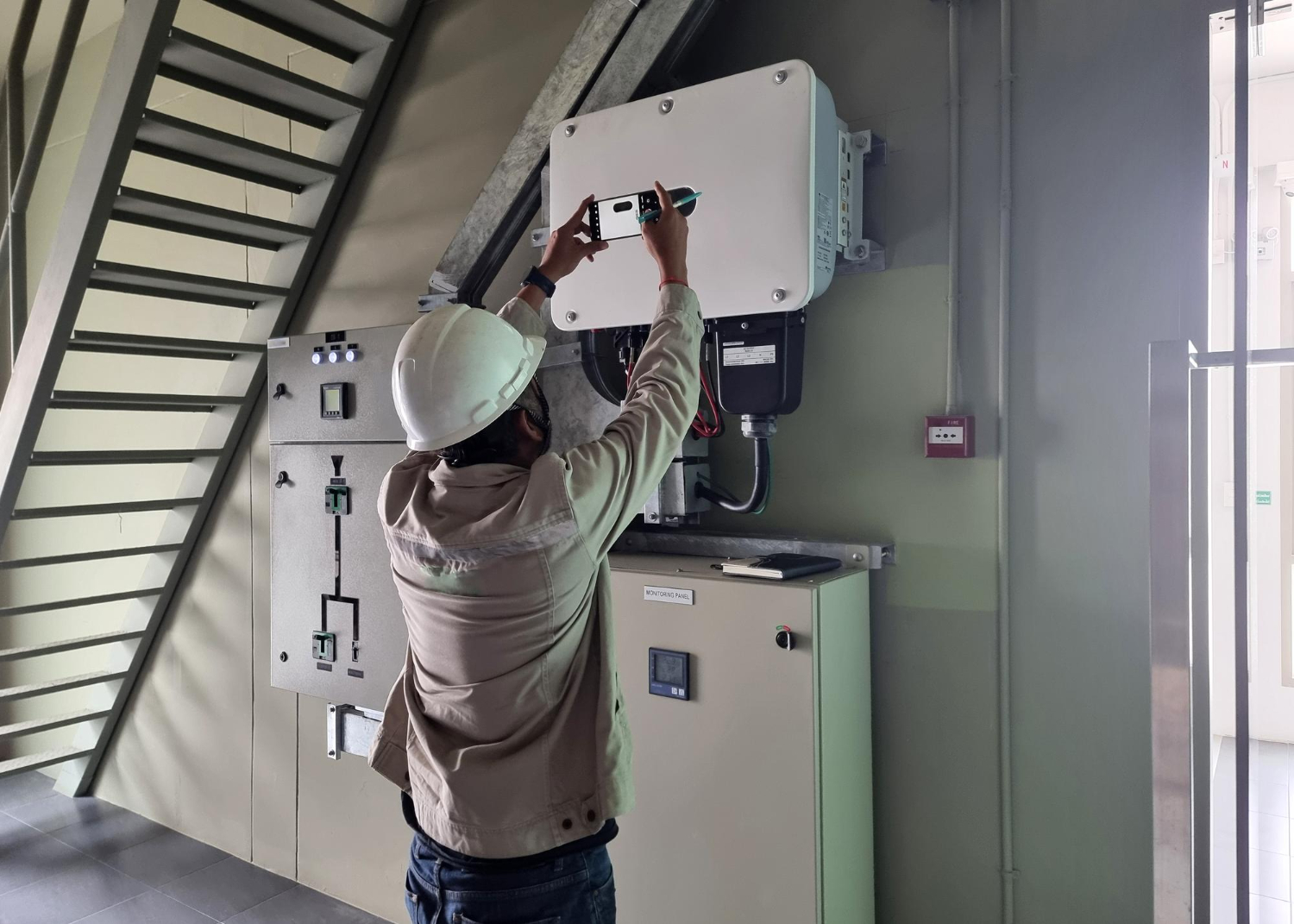
Constant inverter resets, frequent service calls, or error messages can be a strong indication it’s time to let the old hardware go. Parts wear out, warranties expire, and service costs creep up. That money could be better spent on a longer-term solution.
5. Incompatibility With Smart Features
If your current setup doesn’t support remote monitoring, load shifting, or integration with newer tools, it’s time to move forward. Smart tools aren’t just bells and whistles — they help spot problems early and make sure your system runs at its best.
As an example, one manufacturing business in Adelaide started to see a spike in after-hours energy usage due to added automation processes. Their original solar system, installed eight years earlier, wasn’t scaled or equipped to support those demands or integrate with modern controls. After upgrading to a smart-compatible inverter and higher-efficiency panels, their daytime coverage improved, and they were able to program smarter energy flows, even during downtime.
If you’re nodding along to some of these signs, it’s worth having your system assessed to see what’s possible. Sometimes a small upgrade, like swapping out inverters, can make a huge difference. Other times, a more complete redesign is the smarter move. Either way, staying in tune with your system’s performance helps protect your investment and keeps your business energy-resilient moving forward.
Benefits Of Upgrading Your Solar System
Upgrading your solar setup can bring many perks that help your business stay ahead. Let’s explore what improvements are possible.
– Enhanced Efficiency
Newer systems focus on making your energy generation process more streamlined. Modern panels capture more sunlight and advanced inverters convert it with less wastage, resulting in less energy lost in the process.
– Cost Savings
Upfront investments in new systems often lead to reduced power bills. By generating more electricity and relying less on the grid, businesses save on operating costs over time.
– Advanced Technology Integration
Current systems are equipped with smart features like AI and IoT, offering precise energy management. With real-time data, you can automate operations, predict maintenance needs, and manage energy use more effectively.
– Durability and Lifespan
Using high-quality materials, today’s solar components are designed to withstand tough conditions, offering a longer lifespan. This ensures that your investment keeps working for you, even in harsh weather.
Sustainable Savings’ Role In Your Upgrade
Choosing the right partner for a solar upgrade is crucial. That’s where expertise and quality products come into play. With options like SunPower and Maxeon, expect top-notch performance. These brands promise efficiency and are perfect for the South Australian climate.
Beyond just picking quality gear, it’s about ethical sourcing and sustainable practices. This approach ensures that your business not only saves money but does so responsibly. Sustainable practices mean supporting renewable energy sources that respect our planet.
Every upgrade offered by Sustainable Savings is designed with long-term benefits in mind. It’s not just about solving a short-term issue but about future-proofing your energy infrastructure so it grows with your business.
Making The Transition Smooth And Beneficial
Embarking on an upgrade isn’t just about the end result. It’s about ensuring the process has minimal disruption to your day-to-day operations while improving your long-term energy use. Here are some steps to consider:
1. Assess Your Current System
Have experts evaluate your current setup to identify strengths and potential areas for improvement.
2. Set Goals
Determine what you want to get out of the upgrade. Are you aiming for better efficiency, smarter energy use, or improved durability? A clear goal helps shape the right solution.
3. Plan And Execute
Work with professionals to map out the upgrade, considering timelines, existing infrastructure, and how new equipment will integrate with your setup.
4. Future-Proof Your System
Choose components that are scalable and compatible with emerging technologies. A future-ready system means peace of mind and a stable energy output in years to come.
5. Regular Check-Ins
Once upgrades are in place, stick to occasional assessments. These help catch any issues early and fine-tune your setup to run even more efficiently.
Step Into a Smarter Energy Future
Upgrading your solar system brings more than just power improvements. It’s an investment in stability, efficiency, and cleaner energy for years ahead. For businesses in Adelaide juggling expansion, cost pressures, and rising energy demands, this is a move that pays off both financially and environmentally.
Whether you’re fine-tuning an ageing system or doing a full redesign, a solar upgrade gives your business the tools it needs to thrive. With quality components, forward-looking designs, and smart energy features, your operations can become more independent, more efficient, and more sustainable by the day.
Choosing to upgrade your solar setup isn’t just one step forward. It opens the door to long-term gains and smarter ways to manage your energy long into the future.
Enhancing your system could position your business for future success. Discover how smart solar system upgrades can improve performance and energy outcomes with guidance from Sustainable Savings. Investing in updated infrastructure today sets your business up for long-term efficiency and sustainability.