Finding the right solar solution for a commercial property takes more than just choosing a system size. Once installed, a 100kW solar system can dramatically cut down a business’s electricity dependence from the grid. But there’s a catch – it’s not as simple as set and forget. For businesses in Adelaide using large-scale rooftop solar, issues can pop up that impact both performance and long-term return.
If you’re managing a solar system of this size, dealing with problems early can save you from bigger headaches later. From energy dips to component faults, knowing what’s going wrong and how to deal with it can keep your system performing the way it should.
Performance Issues In 100kW Solar Systems
Running a 100kW solar system isn’t always smooth sailing. There are times when performance just doesn’t match what was expected. It might show up as lower-than-normal energy output or less savings than predicted. That doesn’t always mean something is broken, but it does mean something’s off.
Common performance problems include:
– Shading from nearby buildings or trees
– Voltage drop from long cable runs
– Incompatibility between panels and inverters
– Poor positioning due to roof space limitations or awkward orientation
In Adelaide, low sun angles during winter mornings and late afternoons can expose faults in the system’s design. Long stretches of cloud cover through July and August make things more noticeable when a system heavily relies on mid-morning or early-afternoon sun.
In some cases, improving performance means making a few adjustments. This could include repositioning a string of panels, replacing underperforming inverters, or upgrading software to help optimise output. Module-level power electronics are another good path to explore. They allow each section of the solar array to function independently. So, if part of your roof is shaded at certain times of day, only that section feels the drop rather than the entire system.
Visible issues like poor cable layout or overloaded circuits can also chip away at system output. These aren’t major faults, but they do drag things down slowly. A professional inspection or consistent system monitoring can help pinpoint issues and get things running the way they should.
Technical Failures And Component Malfunctions
When a 100kW solar system isn’t performing well, the cause often lies in the setup’s core components. These systems are made up of many parts – from panels to cables to inverters – and even one faulty piece can affect the whole system.
Here are some of the most common technical problems:
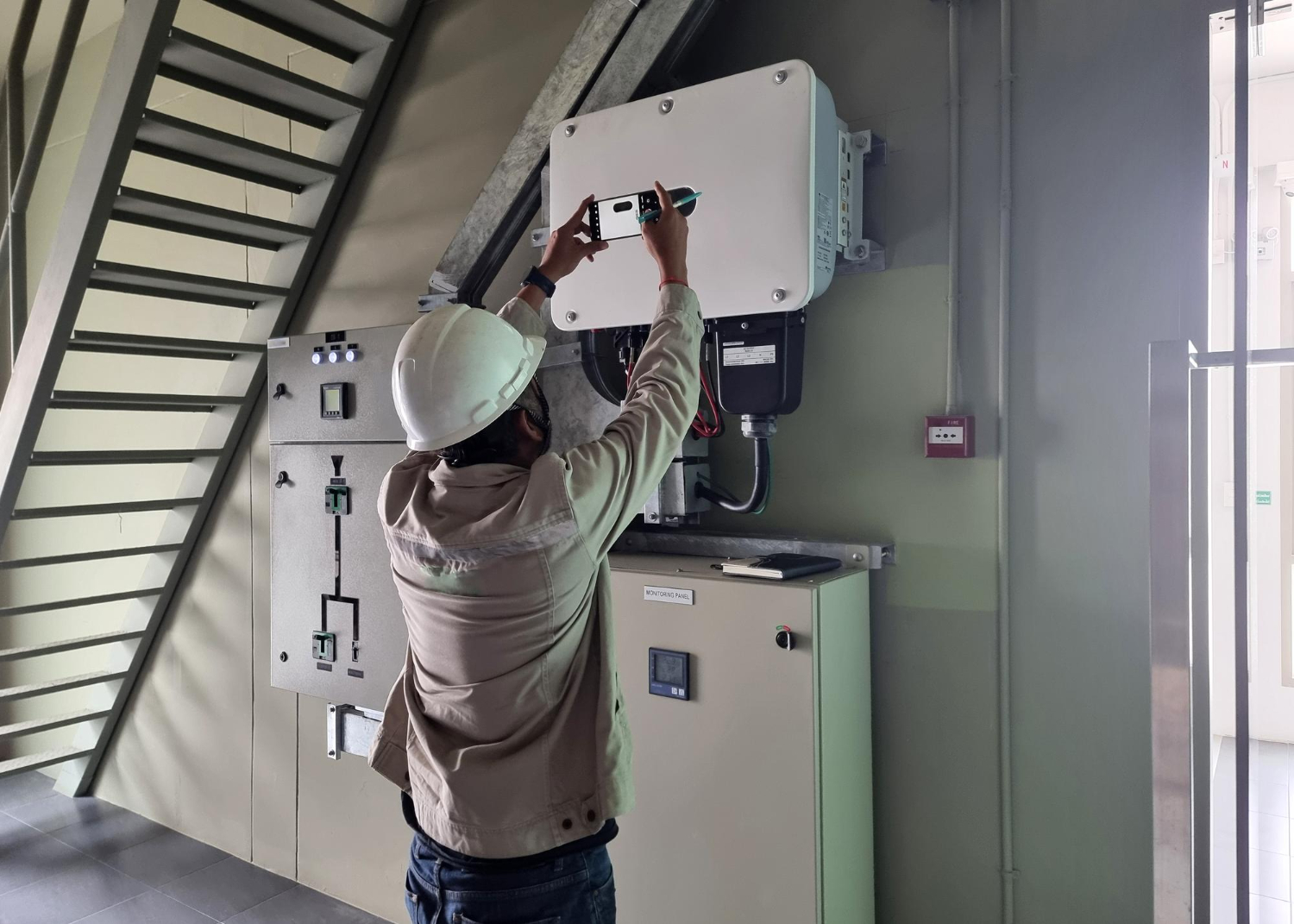
1. Inverter failures – These may start subtly, with error messages or the inverter turning off at random. Ignoring these signs can lead to full string failures.
2. Wiring issues – Loose or corroded wires often cause flickers in performance or full connection drops. They might also generate smells or hazards in some cases.
3. DC isolator faults – These isolators are designed to cut electricity flow during an emergency. If they don’t work, your system might not shut down when needed.
4. Degraded or mismatched panels – Mixed panel brands or ages can throw off performance. It seems like a cost-saving move during installation, but mismatched panels end up working against each other.
5. Connector faults – Over time, heat, UV exposure, and wind vibration can wear down MC4-style connectors, leading to arc faults or reduced efficiency.
Unlike sudden breakdowns, these problems tend to build quietly. Inverters might restart more often, your energy production graph could see irregular dips, or power delivery becomes unstable. Without active monitoring, these red flags often go unnoticed until performance drops noticeably on your power bill.
Addressing technical faults needs both fast response and the right gear. Using high-end components designed and tested for commercial installs is one solution. Some panels and inverters come with diagnostic features that make fault detection quick and easy. Trusted products like SunPower and Maxeon panels, which are known for their toughness and compatibility with commercial applications, can boost long-term reliability and reduce need for replacements.
Certified systems that use sealed connectors and rust-resistant framing are far better suited to industrial rooftops. If your system doesn’t already include such features, now’s the time to look into better hardware options before problems pile up.
Environmental and Weather-Related Challenges
Adelaide’s weather can make things harder for 100kW solar systems. Strong sun gives great energy potential, but extremes in temperature, wind, and even dust can wear gear down and cause interruptions.
One major issue is hail. Not all panels are built to handle severe hailstorms, and even just one damaged panel can interrupt that entire module’s generation. Hail-certified panels reduce that risk. Many of the better-known commercial-grade options, including SunPower and Maxeon, pass third-party tests for hail protection. For businesses located in areas known for violent storms, this added strength matters a lot.
Australia’s scorching summers bring another challenge – heat stress. When panels or inverters get too hot, output can drop instantly. Repeated overheating may even reduce equipment lifespan. Some of today’s commercial panels include heat-tolerant components that maintain performance even under sizzling Adelaide conditions.
Dust buildup might sound minor, but in certain industrial zones, it can be persistent. Rather than regular rinsing, it’s better to focus on technology that is less affected by external particulates. Choosing build materials with anti-soiling coatings or temperature compensation features often brings better results over time.
Factoring in these harsh conditions from the design stage saves repair costs later. Using equipment purposely designed for South Australian weather means your output stays steadier throughout the year and parts don’t fail prematurely. Being reactive to damage after something breaks doesn’t cut it when uptime is key to return on investment.
Ensuring Long-Term Reliability and Efficiency
A reliable solar setup doesn’t come from just buying high-end gear. It comes down to how well it’s managed. Installing strong components is step one. Keeping them checked and performing well is equally important.
Commercial equipment, especially at the 100kW scale, needs regular and professional eyes on it. That means looking at inverter logs, running performance tests, and making sure the system is still aligned with your business’s energy usage.
A review might pick up on sagging output, overheating equipment, or early signs of wear. Spotting these things early can help stop them from turning into major failures. It’s like checking your tyres before a cross-country trip – not technically required, but smart if you want a smooth run.
Going with tested commercial equipment that has proven to last, such as Maxeon and SunPower panels, improves reliability too. Choosing gear that resists rust, extreme temperatures, and UV damage cuts down expensive surprises. Long warranties only matter if you match them with consistent system check-ins and solid hardware from the outset.
Backing your system with a trusted provider means you don’t have to second-guess any part of the setup. With their experience in Adelaide’s conditions, they can spot flaws early and suggest updates that keep the energy flowing, month after month.
Take Control of Your Solar Investment
Ignoring small faults in your solar system today can lead to big bills tomorrow. Whether it’s a drifting inverter, mismatched panels, or weather-related wear, most issues in 100kW systems give you warning signs. Spotting and fixing them early helps your business capture more solar power, reduce downtime, and protect your investment.
Getting things right from the beginning is half the battle. The other half is staying ahead of problems through smart monitoring, premium components, and expert support. A strong setup doesn’t just create energy – it builds confidence that your energy strategy is moving in the right direction.
Prioritising reliability will always serve better results. A well-designed and professionally maintained 100kW system doesn’t just support your building’s energy needs. It also commits your business to cleaner energy, fewer disruptions, and better long-term value.
To secure the most value from your solar setup, working with professionals can make all the difference. Learn how a 100kW solar system can support long-term energy efficiency for your Adelaide business by partnering with Sustainable Savings. We’ll help you get the most out of every kilowatt with solutions tailored to your site and energy goals.