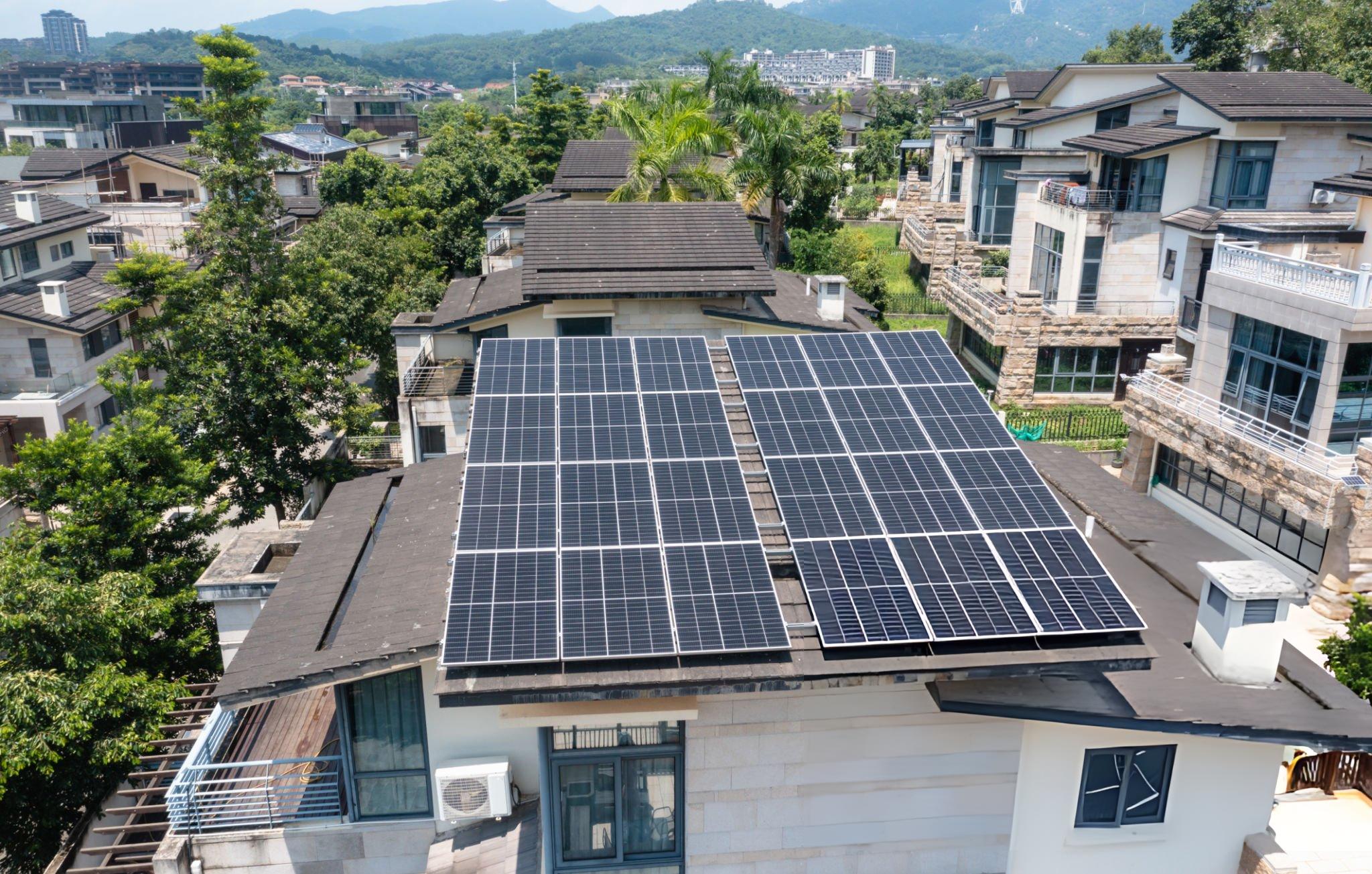
Warehouses across Adelaide are feeling the pressure of rising energy use, especially as the warmer months roll in. As businesses look for smart ways to control costs, adding rooftop solar is on the radar for many managers. But is a 10kW solar system in Adelaide really enough for a typical warehouse?
The answer depends on a few site-specific factors. Your daily electricity habits, how much roof space you have, and whether your building gets steady sun all play a part. With spring moving into summer and demand rising, now is a good moment to ask if a 10kW setup is the right fit or if it’s more of a starting point for your future energy goals.
What Does a 10kW Solar System Actually Offer?
A standard 10kW solar system in Adelaide makes about 40kWh of electricity on a clear day. For smaller warehouses or those with basic daytime operations, this can cover everyday loads like lighting, computers, fans, and small machinery.
If your building runs large coolers, multiple forklifts, or heavy-duty equipment through long shifts, you’ll need to know that 10kW might only cover a fraction of your day’s use. Take into account things like non-stop AC or big ventilation fans—these can tip the balance, especially when the sun is high.
Panel set-up is more than just capacity. The roof’s tilt and direction will make a difference, with north-facing panels catching the most sun over each day. Flat or low-pitch roofs, common in Adelaide’s industrial sites, need careful planning to get the best tilt and avoid water pooling. Watch for shade from neighbouring structures or rooftop gear, which can take a bite out of your actual output.
How Roof Size and Orientation Make a Big Difference
In Adelaide, most warehouses have expansive, low-pitch roofs. These settings need proper panel layout and sometimes special brackets to get panels up at the right angle. Pooling and lack of ventilation are common on such roofs, and this can influence panel performance or even system safety.
Premium panel brands like SunPower and Maxeon are made with denser cell layouts and tested for high output even on flat or shaded surfaces. Their design means you get reliable performance through longer daylight hours with less worry about the impact from awkward rooflines or partial shading.
East-to-west stretching buildings can throw a curveball at production. Late afternoon shade can creep over part of the array. Higher efficiency panels and well-chosen inverters help even the difference out, keeping production steadier throughout each day. A good installer will map your roof, run shading analysis, and fine-tune layout to chip away at wasted sunshine.
Why Panel Quality Matters When You’re Short on Space
Panel quality takes centre stage when your roof space isn’t endless. Some warehouse sites in Adelaide are packed with vent pipes, skylights, or equipment, which cuts down the available area for solar.
SunPower Maxeon panels supply more watts per square metre compared to standard designs, so you can reach your target output with fewer panels installed. This helps businesses that want to preserve roof access for maintenance or plan for future upgrades. Maxeon panels use a solid metal foundation and high-purity silicon, which means steady performance even as the panels age.
Panel durability matters for South Australian weather, too. SunPower Performance and Maxeon models are built to withstand large hail and keep running strong when afternoon temperatures spike. Both pass tough lab tests and carry third-party certifications for resistance to sunlight, humidity, and impacts.
Panel sourcing is a consideration for many businesses looking to report on sustainability. Brands like SunPower and Maxeon follow strict guidelines for ethical production and toxic-free material use—meaning you get a product that supports supply chain transparency and better ESG performance.
Can a 10kW System Grow with Your Business?
For some warehouses, a 10kW solar system in Adelaide is a first step, not a final answer. If your operation grows, or working hours stretch later into the evening, your original install may not keep pace.
Modern commercial inverters like GoodWe and Fronius allow for system upgrades down the line, as long as the base design leaves room for extra panels or batteries. These inverters are designed to work well in fluctuating grid conditions seen across Adelaide and include smart monitoring so you can see how your output matches your growing energy needs.
Plan for the future by sizing your inverter right during the first install. This choice means you can add new panels or shift how your system operates as your site develops without major extra work. Flexibility now keeps costs down later, as you won’t have to swap out central equipment or redo rooftop layouts.
How to Know What Size System Is Right for You
Start by digging through 12 months of energy bills and tracking daily peaks. Any site that runs heavy in the afternoon or pushes through the evening will want to look past a basic 10kW system. Assess how power use shifts by season and see how much coincides with midday sun.
Engineered assessments take the guesswork out and match your expected output with your real business needs. This review covers panel options, inverter specs, unique roof features, and your business’s planned growth. High-density commercial panels like Maxeon can open up smaller or oddly shaped roofs, making them options for sites that otherwise wouldn’t fit much solar.
A checklist for picking the right solution often includes:
– Daylight operating hours
– Energy load during work peaks
– Roof space and shading patterns
– Panel quality and brand reputation
– Sustainability standards, like ethical sourcing or low environmental impact
Focusing on these makes sure you don’t lock yourself into a system that fits someone else’s averages rather than your own records.
Choose a System That Works Now and Later
A 10kW solar system in Adelaide covers the basics for some warehouses, especially those with modest daytime loads and the right roof setup. For bigger sites or those with plans to expand, starting with the right gear—and the right layout—is a smarter path.
Planned correctly, your solar system will match your business’s hours, track rising demand, and show up for years without losing output. Thinking forward not only makes your investment stretch, it gives you more flexibility as seasons and business needs change. Use each square metre of roof space well and pick panels and inverters with proven performance in local conditions for results you can rely on.
Ready to take your warehouse energy solution to the next level? Consider whether a 100kW solar system could be the ideal fit for your growing business needs in Adelaide. At Sustainable Savings, we provide tailored advice to ensure you invest in a solution that maximizes your energy potential. Let’s discuss how we can align your solar strategy with your business objectives today.