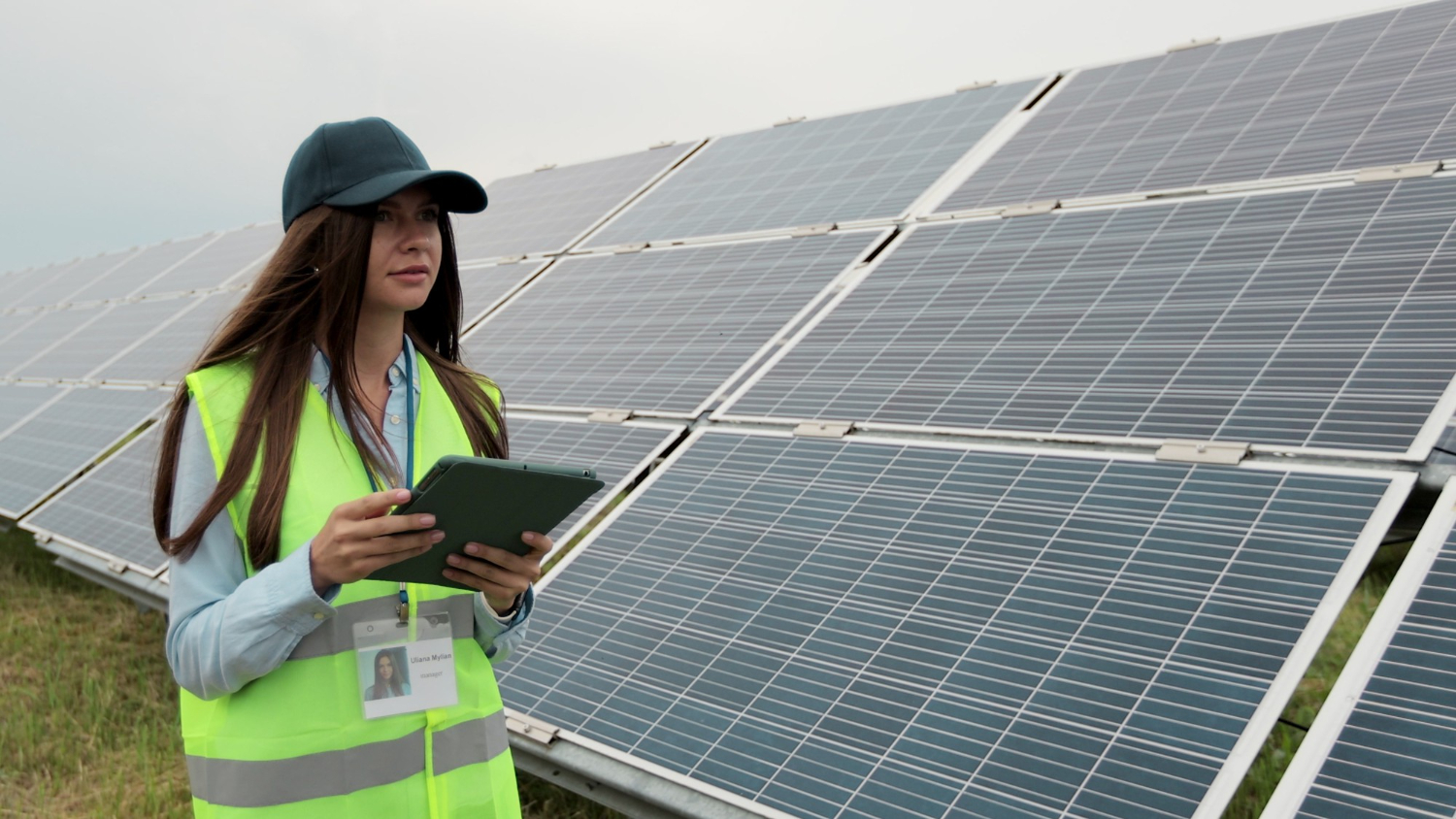
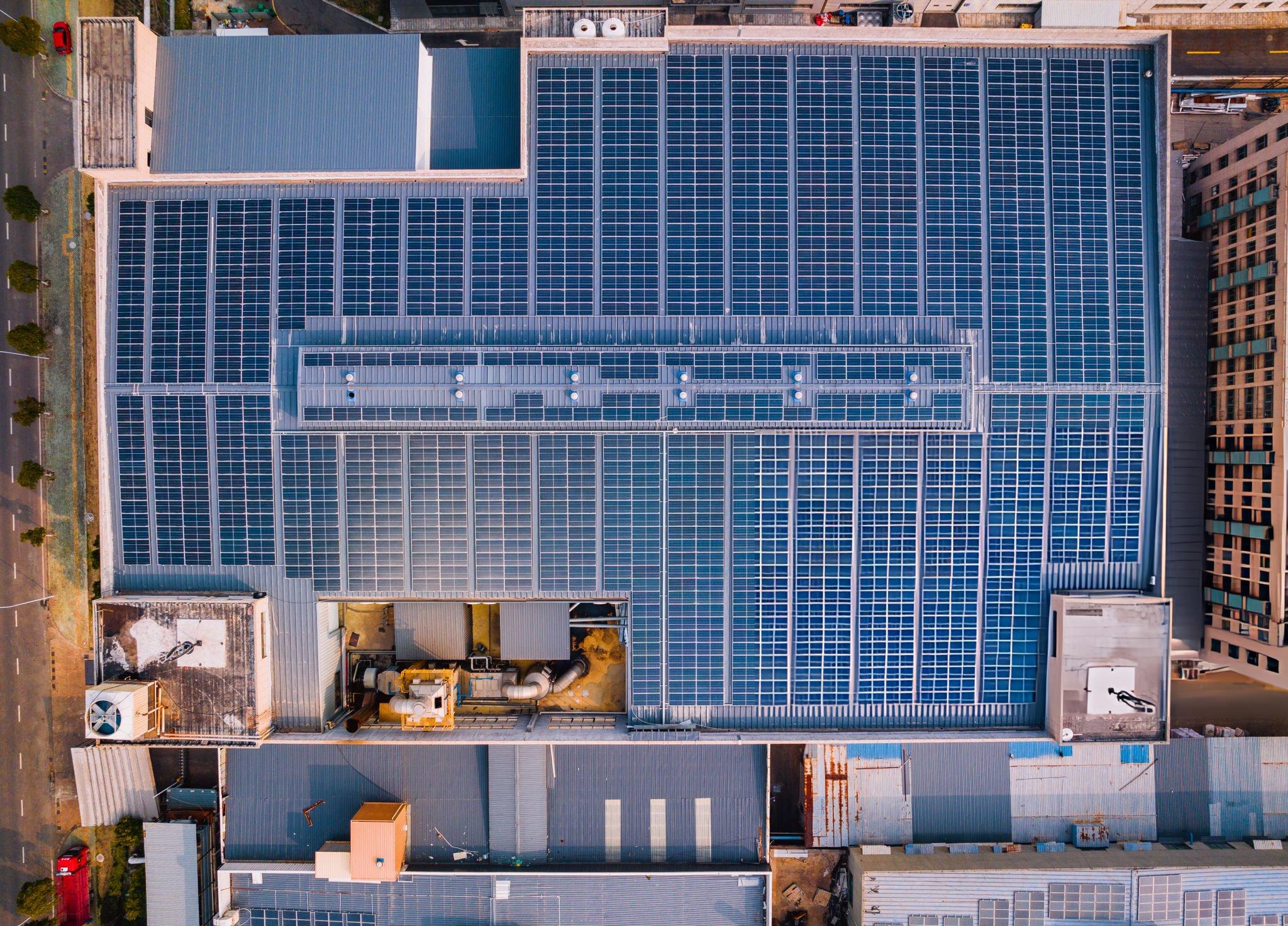
Putting a 100kW solar system on your site in Adelaide isn’t just about covering your roof with panels. You want a mix of strong output, clever placement, and hardware that fits your facility’s daily routine. The way you use energy matters, so does roof design, and the inverter choice can really make a difference.
Spring’s clear weather is a good time to start planning. With fewer clouds and steady sun, it’s easier to walk the roof, check access, and get designs sorted before the peak heat and longer days hit. Warehouses, factories, cold storage, and industrial hubs all get more value from planning now rather than scrambling later. Here’s a no-nonsense checklist for commercial buildings across South Australia.
Key Things to Know Before You Start
A 100kW solar system is best for places running heavy equipment, lights, and climate systems nearly all day. If most of your site’s energy use lines up with daylight, like between 8 a.m. and 4 p.m., you’re in the right range for this size system.
Check your roof next. Flat or low-pitch roofs are common on commercial sites in Adelaide. They can work, but panel numbers and the angles you use will shift based on size, fit, and things like HVAC gear blocking the sun. Getting tilt and layout plans right early helps avoid headaches down the track.
Think about your site’s power profile. What time of day do you use the most? If that matches with when the sun’s out, you’ll benefit from more direct solar use and need less stored power or grid reliance. Commercial energy use that matches up with solar output always gets better results.
Choose Panels Built for SA’s Conditions
Not every panel handles Adelaide’s climate the same. Commercial buildings see everything from wild temperature swings to the odd hail event and strong summer UV. You want panels that have been tested for these, and not just in sunny, mild locations. SunPower Performance Series and Maxeon are standouts for this type of work, with both built to handle heat and sunlight hour after hour.
For sites on the city edge or further out where you get little shade, long-term reliability becomes even more important. These panels undergo testing that mirrors tough conditions—fluctuating temps, salty air if you’re near the coast, and potential impacts. Getting panels with high energy density helps if your roof has space limits, making every square metre count.
The source of your panels matters, too. More South Australian businesses are looking for solar products that steer clear of forced labour and toxic materials. Choosing gear with a slavery-free supply chain or RoHS compliance not only ticks the sustainability box, it brings peace of mind at procurement time.
Match the Right Inverter for Your System
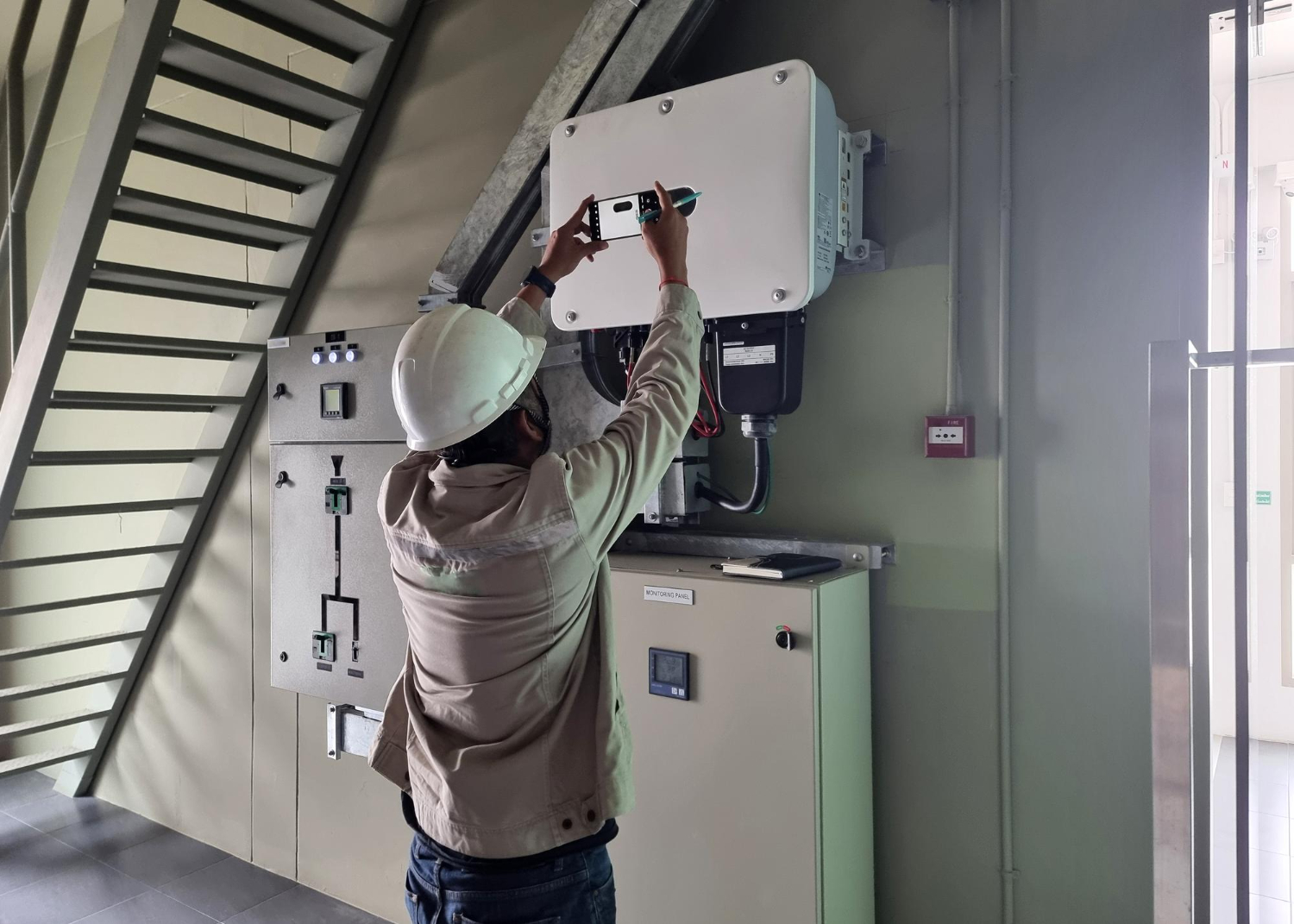
Your inverter is where power gets switched from solar to something your business can use. It’s the part that balances flow, protects your gear, and lets you see system health at a glance. Choose too small, and you risk limiting your system. Too complex and you may never use half the functions.
Fronius and GoodWe inverters have shown real staying power in commercial settings. Both support advanced remote monitoring and can keep running even as outside temps push higher. These brands come with built-in tools for tracking performance, which makes it easy to spot trends or issues before they become real problems.
Grid conditions in Adelaide shift through the day, especially with lots of commercial solar already online. An inverter built for these swings adapts to voltage changes and export limits, so you get steady results. Future expansion is on the cards for many business sites, so scalable inverter options are handy if you might add more panels or arrays down the line.
Plan the System Layout for Best Output
Solar is more than just picking an area and filling it up with panels. How you stage your arrays across the roof matters for output, safety, and shade. Poor layout means some panels get too hot or shaded and drag down performance for everyone.
Bring an engineer into the process right from the start. You’ll get help fixing tilt angles, running cables in safe, accessible paths, and mapping out sun patterns over the course of a day and year. For a 100kW solar system, it’s common to break the full setup into a few smaller arrays. Each one might face a slightly different direction to capture more light as the sun moves from morning through to evening.
While north-facing arrays get the most attention, east-facing panels can help if you use a lot of energy in the morning, while west-facing is ideal if the afternoons are your push time. Mixing panel orientation can actually suit real-world commercial operations much better than forcing everything just one way.
Long-Term Performance and Compliance
Once your panels are up, you want them working strong year in, year out. Commercial sites see added stress: bird activity, heat soak, strong winds, decades of UV. Choose panels backed by genuine long-term warranties, fifteen to twenty-five years is standard for high-end gear. This means less worry about drop-off or early swap-outs.
Every design decision counts for safety and compliance. South Australian energy rules call for certified setups that pass grid connection checks, meet safety controls, and leave easy access for rooftop emergencies. If you skip or ignore these, you’re likely to see delays or extra costs during installation and future inspections.
Product sourcing makes a big impact. Selecting hardware with proven global safety certifications, such as TUV and IEC standards, can make procurement and insurance simpler and provide buyers with extra peace of mind. Brands like SunPower and Maxeon are known for this, and their ethical sourcing is backed by third-party documentation.
Choosing products that have been independently tested for harsh climate performance sets your system apart and can even help future-proof your insurance profile if regulations change.
A Solid Plan Sets You Up for Results
Putting a 100kW solar system on your Adelaide site is a big move for energy spend and sustainability. It’s not a one-size-fits-all effort. You’re picking hardware and layouts for years of production, making sure the system matches your building and business—not just the sales sheet.
With sunny months right ahead, now is the time to review your options, check conditions, and line up installation before the summer spike. As your building’s energy use rises with the heat, having a system tailored for your site and usage pattern means lasting benefits.
Take the time up front to map how things fit your roof, business hours, and daily needs. Work with professionals who know Adelaide’s grid and climate, and check that your panels and inverters meet both compliance and quality standards. That way, your solar investment becomes a dependable part of how your facility does business, keeping energy bills in check and supporting your sustainability plans as you grow.
Thinking ahead for your Adelaide site? Taking a closer look at how a 100kW solar system performs in local conditions is a practical move. From panel efficiency to smart inverter setups, the right decisions up front deliver more reliable results down the track. We’ve worked across a wide range of commercial properties and understand what matters when it comes to long-term performance. For a system that fits your operations now and into the future, contact Sustainable Savings to get started.